Synth: The Electro-Fueled Display Font That Refuses to Stay Quiet
You know that moment when a typeface walks into a room and the whole energy shifts? Synth does that. It doesn’t creep in quietly. It announces itself with a thick, chunky silhouette that feels like a bass drop in visual form. Born from the raw pulse of electro music, this display font isn’t trying to be subtle. It’s built for when you need your message to land hard and fast. If you’ve ever tried to create a headline that demands attention—something that feels like "WUMP WUMP WUMP"—Synth is your tool. Let’s break down what makes it tick and where it can do the heavy lifting for your next project.
What Makes Synth So Unapologetically Bold?
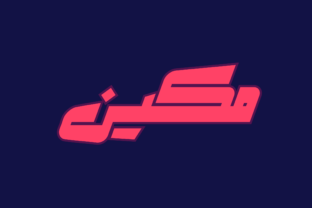
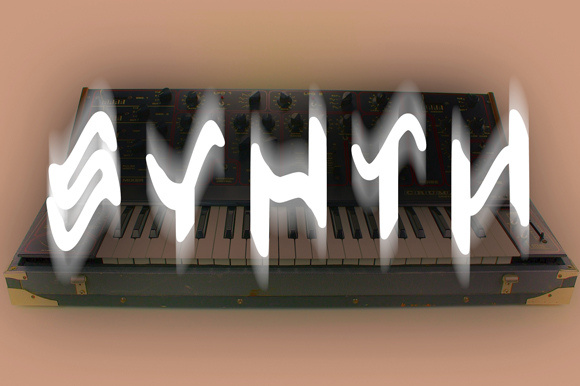
Synth is a full-on, fat display typeface. Its letterforms are wide, weighty, and packed with presence. The strokes are thick and uniform, with minimal contrast, giving it a monolithic, almost industrial feel. There’s a slight geometric precision, but it’s softened by rounded terminals that prevent it from feeling cold. The overall personality is loud, confident, and a little playful—like the visual equivalent of a synthesizer riff that gets stuck in your head. This isn’t a font you use for body copy. It’s a font you use to stop people mid-scroll.
Visually, Synth draws from the neon-lit, analog-synth era, but it’s updated for modern typography needs. The x-height is large, which improves readability at bigger sizes, and the kerning is tight, so headlines feel cohesive and blocky. The style is pure display—meant for short bursts of text. Its appeal lies in its unapologetic nature: it’s not trying to be elegant or timeless. It’s trying to be memorable and immediate.
The Visual DNA of Synth
Look closely and you’ll see hints of modified sans serif construction, but Synth sits firmly in the display font camp. There’s no serif, no script flourish, no handwritten quirk. It’s straight-up heavy geometric lettering with a touch of character in the curves. The lowercase feels almost as commanding as the uppercase, often used for all-caps headlines. The numerals are equally bold, making it great for event posters or countdowns. This typeface thrives on simplicity—there’s little ornamentation, which means the weight does all the talking.
Where Synth Shines (and Where It Doesn’t)
Because Synth is so assertive, you have to be strategic about placement. It’s not a workhorse for long paragraphs or delicate layouts. But in the right context, it’s a powerhouse. Let’s look at specific applications where this font delivers real value.
Branding and Logo Design
If you’re building a brand identity for a music festival, a gaming startup, an energy drink, or a streetwear line, Synth can be a serious asset. Its bold presence works exceptionally well in logo design where you want the name to feel like a statement. Imagine a wordmark for a nightclub called “Pulse” set in Synth—it instantly communicates volume and rhythm. The font’s fatness also reads well when reduced for app icons or social media avatars, though you’ll want to test small sizes because thick strokes can clog on low-res screens.
Editorial and Packaging
Synth is a natural fit for editorial design covers, especially music magazines or culture zines. Drop a single word in Synth as a cover headline, and you’ve got a visual anchor that draws the eye. For packaging design, think limited-edition vinyl reissues, craft beer labels, or retro candy wrappers. The font adds a tactile, almost vintage synthwave vibe. It pairs well with neon color palettes, gradients, and halftone patterns. Just don’t set a paragraph in it—use it for the hero element only.
Digital and Social Media
On the web, Synth works best for hero headlines, landing page titles, and social media graphics. It cuts through the noise on Instagram or TikTok thumbnails. Because it’s a premium font, it gives your content a polished, professional feel without looking corporate. However, avoid using it in body text or UI elements—readability degrades quickly under 24px. For web design, reserve Synth for H1 tags or hero sections where impact matters more than legibility at small sizes.
How Synth Influences Readability and Brand Perception
Readability with a display font like Synth is all about context. At large sizes (48px and up), the thick strokes and open counters make it surprisingly easy to read from a distance. That’s why it works on posters, banners, and event signage. But at text sizes, it becomes a blur of ink. So as a designer, you have to wield it like a spotlight—brief and focused. In terms of visual hierarchy, Synth naturally becomes the loudest element on the page. It forces everything else to step back, which is perfect when you have a single core message.
From a brand perception standpoint, using Synth signals energy, confidence, and a touch of rebellion. It’s not a safe choice for a law firm or a financial institution. But for a creative agency, a music label, or a tech startup with a disruptive edge, it reinforces a youthful, forward-thinking brand identity. Consistency matters—if you use Synth for headlines, make sure the rest of your typography (like a clean sans serif font for body text) doesn’t compete for attention. The stark contrast actually enhances recognition: audiences will remember the big, chunky headline because it stands out so clearly from the supporting text.
Practical Tips for Working with Synth
Choosing a display font like Synth involves more than just liking how it looks. You need to evaluate the project’s tone, medium, and audience. Here’s a practical framework.
Assessing Project Fit
Start by asking: is my message brief and bold enough? If you’re writing a long-form article or a detailed brochure, Synth isn’t your friend. But if you need a poster title, a podcast logo, or a merchandise graphic, Synth could be perfect. Test it with your actual content—paste a few words into the layout. Does the weight overwhelm other elements? Does it align with the emotional tone? For example, a tech conference about AI might feel too sterile with Synth, but a synthwave-themed party would feel right at home.
Font Pairings That Work
Synth pairs beautifully with contrast. Since it’s a display font with heavy geometry, it loves a clean, lightweight sans serif font for body text. Consider something like Inter, Poppins, or Montserrat for paragraphs. For a more refined look, a thin serif font like Playfair Display can add an elegant counterpoint—just make sure the serif isn’t too ornate or it’ll clash. Avoid pairing Synth with another bold display font; you’ll end up with visual shouting. Instead, use a script font or handwritten font sparingly for accent words, but keep it minimal so Synth stays the star.
Licensing and Weights
Synth is a commercial font, so you’ll need to purchase a license for most professional projects. Check whether it includes multiple weights—some versions might have Regular, Bold, and Outline. The outline variant can be fantastic for layered effects in logo design or packaging design. If you’re a content creator or small business owner, look for a license that covers both digital and print. Many foundries offer a single-user desktop license plus web font options. Don’t skip reading the fine print, especially for merchandise resale.
Real-World Examples and Observations
I’ve seen Synth used brilliantly on a festival poster where the band name “NEON SKIES” was set in all caps, filled with a gradient from magenta to cyan. The thick letters acted like solid color blocks, making the poster pop from across the street. Another example: a podcast about electronic music used Synth for its cover art title, paired with a simple baseline grid of track names in a light sans serif. The result was clean, professional, and instantly recognizable on a cluttered Apple Podcasts screen.
On the flip side, I’ve seen designers try to use Synth for a LinkedIn banner headline about corporate strategy. It didn’t work. The font’s playful electro roots felt mismatched with a serious tone. That’s the key: modern typography choices need to respect context. Synth isn’t a chameleon—it’s a statement piece. When you treat it as such, it rewards you with massive visual impact.
As a design asset, Synth is also surprisingly versatile in social media graphics. Consider an Instagram story announcing a new music release: one word in Synth sliding in from the left, then a fade to track details. The blocky letters hold up well even with compression. For brand identity, remember that consistency extends to complementary elements—use Synth’s boldness to anchor your color palette and grid system.
If you’re still on the fence, grab a trial or test the font in a simple mockup. Drop it into a poster template, a merch mockup, or a banner ad. See how it feels. Does it make you want to move? That’s the Synth promise—a font that’s too busy dancing to be ignored. Use it wisely, and your audience will be nodding along with every letter.