Makeen - Arabic: A Display Font That Carries Weight and Presence
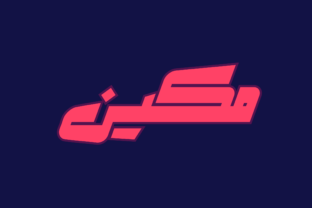
If you have ever designed something in Arabic and felt the lettering lacked gravity, you have probably spent an afternoon scrolling through font libraries hoping something would click. Then you land on Makeen مكين, and the name itself clues you in. Makeen is the Arabic word for deep-rooted, firmly established, honored, and powerful. It is exactly what the typeface delivers. This is not a background player. It is a font that steps forward, claims space, and tells you this matters. Whether you are building a brand identity, laying out a magazine spread, or designing a website that needs to command attention, Makeen - Arabic brings something that feels both ancient and immediate.
Let’s talk about where this font fits into real projects, who actually reaches for it, and what you should think about before you commit. No fluff here—just the kind of practical insight that helps you decide if Makeen is the right tool for your next piece of work.
When a Brand Needs to Feel Unshakable
Picture a luxury real estate developer launching a new residential tower in Dubai or Riyadh. The brochure, the website, the signage, the concrete hoardings around the construction site—all of it needs to communicate permanence and prestige. You do not want a thin, playful typeface. You want something that feels as solid as the building itself.
Makeen - Arabic in its Regular style works beautifully here. The letterforms are grounded, the strokes carry weight, and the overall impression is one of stability. A brand manager or creative director can pair it with a clean sans-serif Latin font for bilingual materials, and the Arabic side will hold its own without feeling secondary. The font’s three styles—Regular, Slant, and Joined-Dots—give enough flexibility to differentiate between headlines, subheads, and pull quotes without breaking the visual language. For a brand that needs to say we are here to stay, Makeen delivers that message before a single word is read.
Editorial Work That Demands Authority
Magazines, annual reports, and thought-leadership publications often rely on typography to signal credibility. If you have ever picked up a culture or business magazine and felt the layout commanded respect, chances are the typeface played a big part. Makeen - Arabic is a natural fit for cover stories, section openers, and featured articles where the Arabic text needs to anchor the page.
The Slant style is particularly interesting for editorial use. It adds a subtle dynamic quality—like forward motion—without being overly decorative. Imagine a two-page spread on a topic like urban development in the Gulf, with a large Arabic headline in Makeen Slant, supported by a clean body font. The contrast does the work for you. The reader’s eye lands on the headline first, and the weight of the typeface reinforces the seriousness of the subject.
For publishers working on bilingual editions, Makeen also solves a common headache. Many Arabic fonts look out of place next to strong Latin serifs or sans-serifs. Makeen’s proportions and structure sit comfortably alongside typefaces like Helvetica, Frutiger, or even Garamond, provided the Latin font has enough visual mass to balance it. That compatibility saves hours of trial and error during layout.
Advertising That Stops the Scroll
Digital advertising space is brutal. You have approximately half a second to catch someone’s attention before they swipe past your post or click out of your pre-roll ad. Makeen - Arabic is built for that moment. The Joined-Dots style, in particular, brings a distinctive texture that stands out in a feed full of generic sans-serif Arabic type. The connected dots create a visual rhythm that feels crafted and intentional—not something a template spit out.
A social media manager running a campaign for a cultural event, a new film release, or a heritage brand could use Makeen Joined-Dots for the main headline, then drop a short supporting line in Regular or Slant. The combination signals creativity without sacrificing legibility. On mobile screens, where every pixel matters, the thick strokes hold up well even at smaller sizes. You lose less detail than you would with a ultra-light or overly ornate font.
Outdoor advertising is another sweet spot. Billboards, transit ads, and large-format banners need type that reads from a distance. Makeen’s generous x-height and solid letter structures make it a reliable choice for Arabic outdoor campaigns. A tourism board promoting a destination like AlUla or a luxury hotel brand can run a campaign where the Arabic text is the hero element, not an afterthought.
Packaging That Feels Premium in the Hand
Walk through the cosmetics or gourmet food aisle in any Middle Eastern market, and you will notice something. The most expensive products usually have the most considered typography on their packaging. Makeen - Arabic is a strong candidate for product names, taglines, and ingredient highlights on premium packaging. Its visual weight communicates quality, and the subtle formal character of the Regular style aligns well with minimalist design directions.
A perfumer launching an Oud-based fragrance might use Makeen for the product name on the box, then carry the same font into the print catalog and the brand’s website. The consistency across touchpoints builds recognition. The same goes for a specialty coffee roaster or a high-end date producer. The font becomes part of the product experience—not just a label, but a design element that reinforces the brand’s position.
One practical observation: when you use Makeen on packaging, pay attention to how the type interacts with foiling, embossing, or debossing. The strong, clear shapes hold up well under these finishing techniques. The letterforms do not get lost in the reflection of metallic foil or soften too much when pressed into uncoated stock. That is the kind of detail that separates a good packaging project from a truly polished one.
Digital Products and Interfaces That Need Personality
Websites, apps, and digital platforms in Arabic have come a long way, but many still default to system fonts or the same handful of web-safe Arabic typefaces. Using a display font like Makeen - Arabic in a digital product is a deliberate choice that signals care. It works especially well for hero sections, landing page headers, and onboarding screens where the first impression sets the tone.
A startup building a fintech app for the Saudi market, for example, might use Makeen for the main value proposition on the landing page. The word ثقة (trust) or راسخ (established) rendered in Makeen visually reinforces the message of reliability. The font’s name itself—Makeen—aligns with the brand values many digital services want to project: secure, grounded, powerful.
That said, a quick note on readability: Makeen is a display typeface, not a body text font. Using it for paragraphs or long-form reading will fatigue the eye. The strength of the strokes and the compact letter shapes work against extended reading. The smart move is to reserve Makeen for headings and key statements, then pair it with a more neutral Arabic text font for the body copy. Noto Naskh Arabic or Amiri are reliable choices that let Makeen do the heavy lifting on headlines without competing.
Who Reaches for Makeen and Why
The audience for a font like this is broader than you might expect. Yes, graphic designers and art directors use it—but so do marketing managers who need to pull together a campaign deck, small business owners designing their own store signage, and content creators building a visual identity for a YouTube channel or podcast. The threshold for using a quality display font has dropped. You do not need to be a professional typographer to benefit from Makeen’s strengths.
For independent creatives—say, a wedding invitation designer in Kuwait or a calligraphy-inspired merchandise seller on Etsy—Makeen offers a shortcut to a polished look. The Joined-Dots style, in particular, adds an ornamental quality that feels custom without requiring hours of manual lettering. That efficiency matters when you are working on tight deadlines or small budgets.
On the corporate side, in-house design teams at banks, universities, and government entities frequently need Arabic type that communicates authority and tradition without feeling dated. Makeen strikes that balance. It is modern enough for a 2025 annual report, but its roots in the idea of being firmly established give it a timeless quality that suits institutions.
What to Consider Before You Commit
Makeen - Arabic is not a font you use everywhere. It is a tool with a specific voice. If your project needs something light, playful, or highly flexible across many sizes, this probably is not the right choice. Display fonts shine in limited, intentional uses. Trying to force Makeen into a body-text role or a multi-weight system will frustrate you and weaken the design.
Another consideration is the Latin companion. Makeen is an Arabic-only typeface (at least in its most common distribution), so you need a Latin font that matches its visual weight and character. Pairing Makeen with an ultra-thin Latin sans-serif creates an imbalance. Look for Latin fonts with moderate to heavy stroke contrast, or something with a similar geometric or humanist structure. Test the pair before you go too deep into production.
Also, think about the context of use. In a highly traditional or religious context, the bold, commanding nature of Makeen works well. In a youth-oriented, casual, or trendy setting, it might feel too formal. That is not a flaw in the font—it is a matter of alignment between the typeface’s personality and the project’s tone.
Finally, licensing. Makeen is available through various foundries and platforms. Check the license for commercial use, web embedding, and app integration before you start building assets around it. A mismatch between your usage and the license terms can cause problems down the road, especially if the project scales.
Makeen - Arabic is that rare kind of typeface that wears its meaning on its sleeve. The word itself promises depth and honor, and the letter shapes live up to that promise. When you need Arabic typography that does not whisper, that does not fade into the background, that stands its ground and claims respect—this is a font worth reaching for. Use it where it matters, pair it thoughtfully, and let it do what it was built to do.