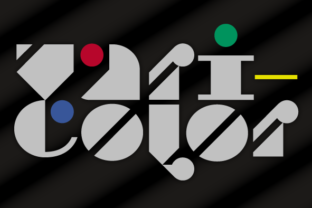
BD Varicolor: A Display Font That Blends Retro Swing with Modern Versatility
When you are selecting a typeface for a project that demands personality, the choices can feel overwhelming. Many fonts aim to be neutral, but some designs are built to stand out. BD Varicolor, released in 2005 by Lopetz Büro Destruct for typedifferent.com, sits firmly in the latter category. It is a display font that takes its cues from Swing Charleton, a dance style and cultural movement known for its rhythm, energy, and flair. The result is a typeface that feels both nostalgic and freshly expressive. Understanding what BD Varicolor offers, where it shines, and where it may fall short can help you decide if it fits your next design brief.
What Makes BD Varicolor Distinct
BD Varicolor is not a quiet font. Its letterforms carry a sense of motion, influenced by the swing dance era’s upbeat tempo and elegant lines. The name itself hints at one of its most noticeable features: color. Unlike a standard single-weight font that relies solely on shape and spacing, BD Varicolor appears to incorporate a built-in chromatic effect. This is achieved through inline detailing and layered contours that suggest multiple colors within each character. The overall look is lively, with curves that mimic the swivelling hips and swinging arms of a dancer. The typeface is designed specifically for display purposes—headlines, posters, logos, and other settings where a strong visual statement is needed.
Another distinguishing element is its connection to the Swing Charleton aesthetic. This is not a generic retro font; it is rooted in a specific historical period and social scene. The letters have a slight bounce, with varied stroke widths and playful angles that avoid rigid uniformity. This gives BD Varicolor a handcrafted feel, even though it is a digital file. For designers seeking to evoke the Roaring Twenties, the jazz age, or a contemporary revival of that spirit, this font provides an authentic touch without resorting to clichés.
Comparing BD Varicolor to Other Display Font Categories
To evaluate BD Varicolor effectively, it helps to consider it alongside other types of display fonts that serve similar purposes. No single typeface works for every situation, and understanding the range of options clarifies when BD Varicolor is a strong choice.
Standard Serif and Sans Display Fonts
Most display fonts in the serif or sans-serif families aim for clarity and impact through weight, spacing, and proportion. They often rely on geometric shapes or refined curves. BD Varicolor departs from this approach by prioritizing ornamentation and historical reference over pure legibility at small sizes. If your project requires a clean, modern headline that works well in both large and medium formats, a standard display font might be a safer bet. But if you want your headline to have a voice—to suggest a mood or an era—BD Varicolor offers a richer narrative.
Hand-Drawn and Script Fonts
Hand-drawn fonts mimic brush strokes, chalk, or handwriting. They bring an organic, human touch. BD Varicolor shares some of that warmth, but it is more structured. Its letters are still very much designed, with consistent shapes and repeating motifs. This makes it more predictable and easier to pair with other typefaces than many messy hand-lettered options. However, if your goal is a purely artisan or bespoke feel, a genuine hand-drawn font may feel more authentic. BD Varicolor walks a line between spontaneity and polish—a balance that suits projects wanting to be playful but not chaotic.
Retro Revival and Vintage Fonts
The market is full of fonts that recreate lettering from past decades: Art Deco, Victorian, Mid-Century. BD Varicolor falls into the retro revival category but with a narrower focus. It is specifically linked to the swing and jazz subcultures of the 1920s–30s. That specificity is both a strength and a limitation. For a Gatsby-themed party invitation or a speakeasy logo, it is spot on. For a general vintage look that could span the 1950s or 1970s, you might need a more versatile retro font. BD Varicolor is authentic to its roots, so forcing it into a different vintage context may feel mismatched.
Strengths and Tradeoffs of Using BD Varicolor
Every design tool comes with its own set of advantages and compromises. Recognizing these helps you apply the font where it works best and avoid situations where it could weaken your message.
Strengths
- Immediate personality: BD Varicolor grabs attention. Its swing-inspired forms and built-in chromatic detail make a poster or logo instantly memorable.
- Nostalgic resonance: For audiences who appreciate jazz, swing dance, or early 20th-century culture, this font evokes an emotional connection. It feels like an authentic artifact, not a pastiche.
- Built-in color effect: The design suggests multicolored outlines and fills, reducing the need for additional graphic treatment. In some projects, this can streamline the design process.
- Versatility within its niche: While not a workhorse font, BD Varicolor can be used across various media—print, digital, signage, apparel—as long as the scale is large enough to preserve the details.
Tradeoffs
- Limited legibility at small sizes: The intricate inline details and dance-inspired curves become muddled when scaled down. Avoid using BD Varicolor for body text, captions, or any setting where reading speed matters.
- Strong stylistic association: The font carries such a specific historical and cultural connotation that it can feel out of place in modern, minimal, or corporate contexts. It pairs best with other retro or neutral elements, but the clash can be jarring if not managed carefully.
- Potential overuse: Because of its distinctive look, BD Varicolor can dominate a layout. If the rest of the design is subdued, the font becomes the sole focus. That may be desirable in a poster, but it can unbalance a logo or website header that needs to share attention with other content.
- File format and licensing considerations: As a specialty font from a foundry, BD Varicolor may come with usage restrictions. Check the license for commercial use, web embedding, or modification before committing.
Best-Fit Use Cases for BD Varicolor
Based on its characteristics, BD Varicolor works best in projects where the visual impact is more important than word count. Consider these examples:
- Event posters for jazz concerts, swing dances, or vintage-themed parties: The font instantly sets the tone and attracts the right audience.
- Logotypes for bars, restaurants, or boutiques with a retro identity: A single word set in BD Varicolor can become a memorable brand mark.
- Album covers or merchandise for musicians in the swing, jazz, or electro-swing genres: The typeface aligns artistically with the music’s energy.
- Headlines in editorial design for articles about the 1920s, dance history, or vintage lifestyle: It adds a decorative anchor without cluttering the page.
- Packaging for gourmet or artisanal products that want a nostalgic twist: Think coffee blends, cocktail syrups, or retro candy.
In each case, BD Varicolor is used at a large scale—usually 36pt or larger—to keep the details crisp. Pair it with a simple sans-serif for secondary information to maintain readability.
When You Might Need an Alternative
No font is universal. There are clear scenarios where BD Varicolor would not be the right choice, and having alternatives in mind helps you pivot without losing momentum.
Projects Requiring Long-Form Readability
If your project includes paragraphs of text, even in a display context (like a magazine spread with multiple columns), BD Varicolor cannot carry that load. You would need a readable body font for the text and could use BD Varicolor only for the main headline. Alternatively, you might choose a font family that includes both display and text weights for a cohesive look.
Conservative Corporate or Professional Environments
A law firm, financial institution, or medical practice is unlikely to benefit from a font that evokes speakeasies and flapper dresses. In these settings, a clean serif or sans-serif display font would communicate stability and trust without the cultural baggage. BD Varicolor’s expressiveness would work against the message.
Digital Interfaces with Responsive Scaling
Websites and apps often require fonts that perform well across screen sizes. Because BD Varicolor loses legibility at small sizes, it may not be suitable for navigation, buttons, or mobile headers. For digital projects, consider a web-optimized display font with similar retro qualities but better hinting and smaller x-height adjustments.
When You Need a More Neutral Decorative Font
Sometimes you want a font with flavor but not a fixed era. If your project’s theme is vague or straddles multiple periods, BD Varicolor’s specificity could feel restrictive. A more neutral decorative font—or even a modern font with a slight retro influence—might give you the flexibility you need while still providing visual interest.
Decision Factors: Is BD Varicolor Right for You?
Choosing a typeface boils down to understanding your audience, medium, and message. Here are some questions to help you decide:
- What emotion do you want to convey? BD Varicolor communicates energy, nostalgia, and playfulness. If that matches your tone, proceed. If you need seriousness or innovation, look elsewhere.
- How will the font be used? Will it appear at a large size (poster, logo) or at a small size (caption, mobile menu)? If the latter, reconsider. Will it be printed, viewed on screen, or both? Test the font in the intended environment.
- Who is your audience? Are they familiar with swing culture? Will they appreciate the reference? A younger audience might see it as quirky; an older audience might feel a sense of nostalgia. Know your demographic.
- What is the rest of the design doing? BD Varicolor needs breathing room. Avoid cluttering the layout with too many decorative elements. Pair it with simple shapes and muted colors to let the font shine.
Ultimately, BD Varicolor is a tool for projects that want to make a lively, historically-rooted statement. When used deliberately, it can differentiate your work from the sea of generic typography. When used carelessly, it can feel forced. By weighing its distinctiveness against your project’s needs, you can make an informed choice.
Experiment with BD Varicolor in a mockup of your real project. See how it interacts with images, colors, and other text. Ask for feedback from colleagues or clients. Testing in context is the most reliable way to confirm whether this swing-inspired display font is the right fit for your design.