Anchor Italic Bold: A Display Font with Fairy Tale Roots
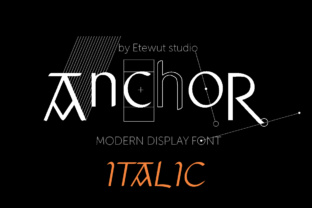
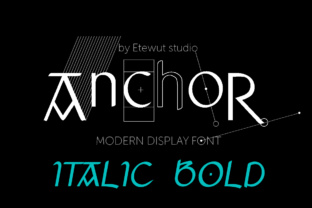
Typography doesn't often tell a story before you even read a word. But every once in a while, a typeface arrives that carries a sense of place, history, and wonder in its very shapes. Anchor Italic Bold is exactly that kind of font. Inspired by Russian fairy tales and built around cyrillic lettering, it brings a subtle magic to design projects that need character without shouting for attention.
If you have worked with display fonts for long, you know the struggle. Many are either too decorative to use practically or too neutral to add any personality. Anchor Italic Bold sits in a sweet spot. It is distinctive enough to anchor a brand identity, yet versatile enough to work across print, digital, and packaging projects. The italic angle gives it motion. The bold weight gives it presence. And those cyrillic-inspired forms add a cultural richness that makes your work stand out.
What Makes Anchor Italic Bold Different
At first glance, you notice the slant. But this is not a simple italic version of a standard typeface. The letterforms have been drawn with cyrillic calligraphy in mind, which means curves feel more organic, terminals have a slight flourish, and the overall rhythm feels handcrafted. The result is a display font that feels both contemporary and timeless.
The bold weight is important here. Lighter display fonts can feel delicate or even fragile in large sizes. Anchor Italic Bold holds its ground. Whether you set it at 36 point for a headline or blow it up to 120 point for a poster, the shapes stay crisp and the personality remains intact. The thick-to-thin contrast is controlled, which means it remains readable even when you pair it with other typefaces.
Another aspect worth noting is the European language support. If your projects involve multiple languages or you work with clients across Europe, this font saves you time. The extra symbols are not an afterthought. They have been designed with the same care as the core characters, so your typography stays consistent whether you are setting text in French, German, Swedish, or Polish.
Where Anchor Italic Bold Works Best
Let’s get practical. A display font like this needs the right context to shine. Here are the scenarios where I have seen it deliver real results.
Logo Design and Brand Identity
If you are building a brand that wants to feel established, creative, or slightly unconventional, Anchor Italic Bold can become the centerpiece of the wordmark. Its italic nature suggests forward movement. The cyrillic influences give it a handcrafted, almost artisanal quality. This works particularly well for:
- Creative agencies that want to signal originality.
- Craft breweries or distilleries where tradition and quality matter.
- Publishing imprints focused on literary fiction, folklore, or cultural content.
- Small businesses with a strong visual identity and a story to tell.
When used in a logo, keep the supporting elements simple. A clean sans serif font for taglines or secondary text will let Anchor Italic Bold do the heavy lifting. Avoid pairing it with another display font. That creates visual competition and dilutes the impact.
Editorial and Publication Design
Magazines, book covers, and editorial layouts benefit from a font that can lead the reader into the content. Anchor Italic Bold works well for chapter titles, pull quotes, and section headers. The italic angle draws the eye naturally across the page, which is exactly what you want in a headline.
I have seen it used effectively in literary journals and art magazines where the design needs to feel thoughtful without being fussy. The bold weight ensures that even at smaller sizes, the headline holds its place against accompanying images or body text.
Packaging and Product Labels
Packaging is where a display font earns its keep. You have limited space, often a small label or a narrow box panel, and you need to communicate brand personality fast. Anchor Italic Bold works on:
- Wine and spirits labels that want a handcrafted feel.
- Artisan food products like honey, jam, or chocolate.
- Skincare or cosmetic packaging where natural ingredients are highlighted.
- Gift boxes or limited edition runs that need a special touch.
The cyrillic influences add a subtle Eastern European aesthetic that can suggest authenticity, tradition, or handmade quality. That association is valuable for brands that trade on heritage or craftsmanship.
Web Design and Digital Presence
Some designers hesitate to use display fonts on the web, concerned about loading times or readability on small screens. Anchor Italic Bold handles digital environments well, especially when used for hero headings, navigation highlights, or call-to-action buttons.
The key is to use it sparingly. A single headline set in this font can define the visual tone of a landing page. Pair it with a neutral sans serif font like Open Sans or Lato for body text, and the hierarchy becomes immediately clear. The user knows where to look first, and the brand personality comes through without overwhelming the content.
Social Media Graphics and Digital Marketing
Social media moves fast, and your typography needs to capture attention in a split second. Anchor Italic Bold works well for quote cards, announcement graphics, and campaign headers. The bold weight ensures legibility even on mobile screens, and the italic slant adds a dynamic feel that suits energetic content.
Marketers and content creators will appreciate that this font stands out from the standard sans serif options that dominate social feeds. Using a distinctive typeface like this can improve brand recognition and make your graphics feel more produced and intentional.
How Anchor Italic Bold Influences Readability and Perception
Readability in a display font is different from readability in a body text font. You are not asking people to read paragraphs of text set in Anchor Italic Bold. You are asking them to read headlines, short phrases, or single words. In that context, this font performs well.
The open counters and controlled stroke contrast help each letter remain distinct. The italic angle is pronounced but not extreme, so readers do not struggle to parse the shapes. For short-form content, this font can actually improve the visual hierarchy of a page or layout because it naturally draws the eye.
From a brand perception standpoint, using a thoughtful display font signals that you care about details. A generic sans serif headline might work, but it does not communicate the same level of intentionality. Anchor Italic Bold suggests that the brand has a point of view, that there is a story behind the product or service. That subtle signal can influence how an audience perceives quality, authenticity, and professionalism.
Practical Guidance for Choosing and Using Anchor Italic Bold
Before you commit to any premium font, it helps to evaluate it in the context of your actual projects. Here is a straightforward approach.
Test the font in your design software. Download the trial version if available and set your intended headline or logo in various sizes. Look at it at the exact size it will appear in the final product. A font that looks great at 72 point may feel heavy or cramped at 24 point.
Pair it with a neutral counterpart. Anchor Italic Bold works best when it is the star. Choose a simple sans serif font for body text, captions, and secondary headings. Avoid pairing it with another display font, especially one with a strong personality. Keep the supporting typography minimal.
Consider the medium. This font works well in print, digital, and packaging. But always test it on the actual medium. A screen can make a font look different than printed stock. If you are using it on a website, check how it renders on mobile, tablet, and desktop.
Review the commercial licensing. Anchor Italic Bold is a commercial font, which means you need the appropriate license for your use case. If you are designing logos for clients, make sure the license covers that. If you are using it on a website, confirm the web font licensing terms. A little due diligence upfront saves headaches later.
Think about color and background. The bold weight and italic angle mean this font works well on both light and dark backgrounds. But it truly shines when there is enough contrast. Avoid placing it on busy or textured backgrounds where the letterforms might compete with the image.
Anchor Italic Bold is not a font that fades into the background. It makes a statement, but it does so with restraint. If your project calls for a touch of magic, a nod to tradition, or simply a well-crafted italic display font, this one deserves a close look. Test it, pair it carefully, and let it do what it does best — anchor your design with personality and purpose.