Rounded 3D: A Casual 3D Font With Depth and Personality
Every so often a typeface comes along that feels less like a tool and more like a creative shortcut. Rounded 3D is one of those finds. It lands somewhere between playful and polished, offering a dimensional look without the heavy rendering or technical fuss that often comes with 3D typography. If you have ever needed a font that stands out on screen, on a label, or across a social media post without screaming for attention, this one deserves a closer look.
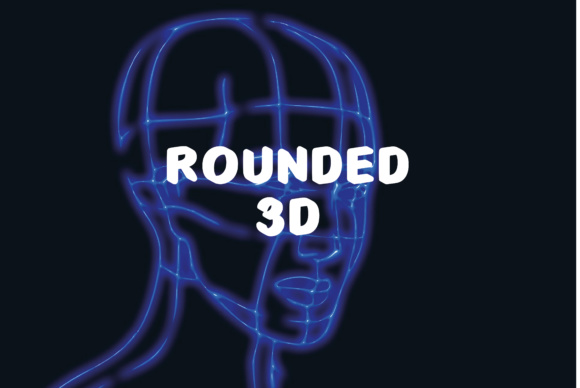
The name says it all. The letterforms are rounded at the edges, giving the typeface a soft, approachable feel. And the 3D effect is baked into the design itself, not added as an afterthought. Each character comes with built-in depth, shading, and dimension that make the letters appear to pop off the page or screen. It is a display font through and through, meaning it is built to lead the visual conversation rather than blend into the background.
What Makes Rounded 3D Stand Out Visually
At first glance, the font feels friendly. The rounded corners take away any sharpness, so even in all-caps settings, the type never reads as aggressive or formal. The 3D extrusion adds weight and presence, giving headlines, logos, and product names a physical quality that flat typography simply cannot match.
The personality here is casual but confident. It is the kind of typeface you would reach for when you want something modern yet approachable, dimensional yet readable. Unlike many 3D fonts that lean into extreme perspective or dramatic shadows, Rounded 3D keeps the depth consistent and controlled. That makes it far more versatile than you might expect from a decorative display font.
The full alphabet and numbers mean you are not stuck with a limited character set. You can build headlines, short phrases, or even numeric-heavy content like pricing, dates, or product codes without switching typefaces mid-stream.
Where Rounded 3D Works Best in Real Projects
Because of its casual personality and strong visual weight, Rounded 3D excels in contexts where you need to grab attention quickly but still want to feel inviting. Here are a few places it tends to shine.
Logo Design and Brand Identity
For small businesses, startups, or side hustles, a logo often needs to communicate energy and personality fast. Rounded 3D works especially well for brand marks in industries like gaming, children's products, toy design, snack food, beverage labels, and creative agencies. The built-in depth gives the logo a finished, professional look without requiring additional illustration or shadow work. Pair it with a clean sans serif font for taglines or secondary text, and the brand identity starts to feel cohesive without much effort.
Packaging Design
Packaging is one of the most competitive spaces in design. A product has milliseconds to catch a shopper's eye on a shelf or in a thumbnail. Rounded 3D brings dimensional pop that stops the scroll or the glance. Whether it is a cereal box, a craft beer label, or a small-batch candle jar, the font adds a tactile, almost edible quality to the product name. The rounded edges reinforce approachability, which matters for products aimed at families, kids, or casual consumers.
Social Media Graphics and Web Design
Digital platforms reward bold, legible typography, especially in thumbnails, Stories, and hero sections. Rounded 3D reads well at medium to large sizes, and the built-in shading means it holds up against busy backgrounds. You can drop it onto a colorful gradient or a photo without losing the word shape. For web design, use it sparingly in headers, call-to-action buttons, or featured quotes. It adds personality without overwhelming the layout.
Editorial and Print Projects
Magazine covers, posters, flyers, and zines benefit from a display font that commands attention. Rounded 3D works well as a title face in editorial design, especially for features that need a modern, upbeat tone. It also pairs naturally with a serif font for body copy, creating contrast between the dimensional headline and the flat, refined text below. That kind of font pairing signals deliberate design thinking, even if you set it up in minutes.
Personal and Hobby Projects
Hobbyists and crafters will appreciate how quickly Rounded 3D elevates simple projects. Birthday banners, party invitations, scrapbook titles, or custom T-shirt designs all benefit from the depth the font provides. It removes the need for extra shadow layers in design software, saving time and reducing file complexity.
How Rounded 3D Influences Readability and Brand Perception
One concern with dimensional typography is always readability. If the 3D effect overwhelms the letter shapes, the word becomes an image rather than a message. Rounded 3D avoids that trap because the depth is subtle enough to support the letterforms without distorting them. The rounded edges also improve legibility at smaller display sizes, though this font is best suited for headlines and short text rather than paragraphs.
From a brand perception standpoint, using a font like Rounded 3D sends a clear signal: this brand has energy and a point of view. It is not trying to blend in. At the same time, the casual roundness keeps the tone friendly. That combination makes it a strong choice for brands that want to be seen as modern, creative, and approachable all at once.
Consistency in modern typography choices across touchpoints builds recognition over time. If you use Rounded 3D consistently in headers, social media templates, and product packaging, your audience will start associating that dimensional look with your brand. That is the kind of visual shorthand that turns casual viewers into repeat customers.
Practical Guidance for Choosing and Using Rounded 3D
If you are considering adding this font to your toolkit, here are some practical considerations to help you evaluate whether it fits your project.
Evaluate Project Fit
Ask yourself what tone you need. Rounded 3D leans casual, modern, and friendly. If your brand or project requires a严肃 or ultra-professional tone, a classic sans serif font or serif font may serve you better. But if you are launching a product aimed at younger audiences, building a creative portfolio, or designing for entertainment, the font fits naturally.
Test Font Pairings
Rounded 3D pairs best with neutral, clean typefaces that do not compete for attention. A simple sans serif font like a geometric or humanist style works well for subheadings and body copy. For contrast, you could also try a subtle script font or handwritten font for accent words, but keep those pairings minimal to avoid visual clutter. Font pairing is about balance, and Rounded 3D does the heavy lifting, so everything else should support rather than fight it.
Review the Included Styles and Characters
Make sure the font includes the characters you need. Rounded 3D comes with a full alphabet and numbers, which covers most standard display use cases. Check whether it includes accented characters if you are designing for multilingual audiences. Also confirm the file format matches your workflow, whether that is OTF, TTF, or web font formats for web design.
Consider Readability at Different Sizes
This is a display font, so test it at the sizes you actually plan to use. At very large sizes, the 3D effect becomes more dramatic and the rounded details become more visible. At smaller sizes, the depth may compress, so keep that in mind for mobile social media graphics or small print applications. For most projects, using it above 24 points in print or above 36 pixels on screen will give the best results.
Check the Commercial Licensing
Before you commit to a commercial font, review the license terms carefully. Some fonts have restrictions on usage in merchandise, digital products, or broadcast. If you are a small business owner or entrepreneur, look for a license that covers both print and digital use, and consider whether you need extended rights for logo trademarks or app interfaces. A good premium font investment includes clear, fair licensing that matches how you actually work.
Real-World Design Observations
I have seen Rounded 3D used effectively in a children's book cover where the title needed to feel playful but still legible from a thumbnail. The designer paired it with a soft gradient background and a simple sans serif for the author name. The cover stood out in search results and on retail shelves because the dimensional lettering drew the eye immediately.
Another example came from a small bakery rebrand. The owner wanted a logo that felt artisanal but not precious. Rounded 3D gave the business name a handcrafted, sturdy feel that worked equally well on signage, cake boxes, and Instagram posts. The built-in depth meant the logo did not require extra illustration, keeping the production cost low and the brand identity consistent across formats.
One caution worth noting: because the font has a strong personality, it is easy to overuse it. Stick to one or two words per design for maximum impact. Let it be the hero. Everything else, from colors to images to supporting typography, should play a supporting role.
Final Thoughts on Adding Rounded 3D to Your Workflow
Rounded 3D fills a specific niche that many designers and creators encounter: the need for dimensional typography that feels approachable rather than gimmicky. It works as a creative font for branding, a functional display font for packaging, and a reliable commercial font for digital content. The full alphabet and numbers give you the flexibility to build complete headlines without gaps.
Whether you are a content creator building a visual identity, a small business owner designing your own packaging, or a publisher looking for a headline face with character, Rounded 3D offers a practical shortcut to a polished, dimensional look. Test it against your existing design assets. Try a few font pairing combinations. And give it room to lead the layout. The depth is already there. You just need to direct the light.