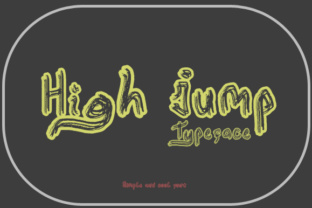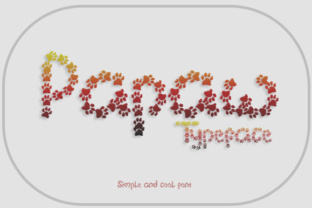
Papaw Font from Gblack Id: A Typeface That Brings Personality to Real Projects
There is something genuinely refreshing about stumbling upon a font that feels like it has a pulse. Papaw, designed by Gblack Id, is one of those typefaces. It comes with basic punctuation, which might sound minimal on paper, but in practice, that simplicity opens up a surprising range of creative and practical applications. Whether you are working on branding, social media content, event materials, or personal projects, Papaw has a character that stands out without shouting. Let me walk you through what makes it tick and where it truly shines.
What Exactly Is Papaw and Why Does It Feel Different?
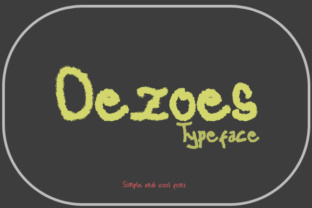
Papaw is not trying to be everything to everyone. It is a display-style font with a hand-drawn, slightly irregular feel that gives it warmth and approachability. The letters carry a natural rhythm, almost as if someone wrote them by hand with a steady marker. The basic punctuation set means you can use it for short sentences, headlines, callouts, and logos without running into missing glyphs or awkward spacing. What you see is what you get, and that clarity is part of its charm.
When I first tested Papaw, I noticed how it immediately changed the tone of whatever I placed it on. A simple quote, a product name, a menu header, even a social media post felt more human. That is the kind of effect this font has. It does not just display text; it adds a layer of emotional context.
Where Papaw Works Best in Everyday Scenarios
Think about the last time you needed to design something quickly but wanted it to feel personal. Maybe it was a flyer for a local event, a label for homemade goods, or a sign for a small business. Papaw fits naturally into these scenarios because it bridges the gap between polished and handcrafted. It is clean enough to look intentional but loose enough to feel genuine.
I have seen people use Papaw for:
- Coffee shop boards and menu headers where the font mirrors the rustic, artisanal vibe of the space.
- Social media highlight covers and story titles where you want the text to pop without looking corporate.
- Product packaging for small-batch goods like candles, soaps, or jams where the brand voice is friendly and down-to-earth.
- Personal projects like wedding signage, birthday banners, or save-the-date cards where you want the text to feel as personal as the event itself.
Each of these use cases benefits from Papaw's ability to be bold yet soft. It is not screaming for attention, but it holds it naturally.
Different Audiences, Different Ways to Use Papaw
What I find interesting is how different people gravitate toward Papaw for completely different reasons. A graphic designer might appreciate the font's versatility in digital mockups, while a small business owner might love how it makes their brand look approachable without needing a full design overhaul.
For freelancers and creatives, Papaw can serve as a header font for portfolios, project titles, or even personal logos. It adds a signature touch that feels exclusive. If you are a photographer, illustrator, or content creator, using Papaw on your website or social channels immediately signals that you value character over convention.
For entrepreneurs and side hustlers, Papaw helps establish visual identity quickly. You can use it on your product labels, your Instagram posts, your business cards. It is consistent enough to build brand recognition but flexible enough to pair with other fonts like a clean sans-serif for body text.
For event planners and hosts, Papaw brings warmth to invitations, signage, and programs. A wedding or a community gathering feels more inviting when the typeface reflects the personality of the people involved. Papaw does not feel stiff or formal, which is exactly what you want when the goal is connection.
Practical Examples That Show Papaw in Action
Let me give you a few concrete situations where Papaw made a noticeable difference.
A friend of mine runs a small plant shop. She uses Papaw for her plant tags and price cards. The font gives each tag a handmade look that matches the pots and greenery. Customers have actually commented that the tags feel special, like they are part of the product, not just an afterthought. That is the kind of detail that builds loyalty.
Another example comes from a local musician who used Papaw for his album cover title and track list. The font's organic lines complemented the acoustic, raw style of his music. He told me that listeners assumed the cover was hand-lettered, which was exactly the aesthetic he wanted. Papaw delivered that without requiring hours of manual drawing.
I also recall a teacher who used Papaw for classroom posters and quote boards. The students responded better to the less formal look. It made the room feel more like a collaborative space than a lecture hall. That might seem like a small thing, but when you are trying to engage a group, every detail matters.
What to Consider Before Using Papaw
No font is perfect for every situation, and Papaw has its own sweet spot. Because it is a display font with a hand-drawn character, it is best used in short bursts. Long paragraphs set in Papaw can become tiring to read, especially at smaller sizes. The eyes need breaks, and the irregular letterforms, while charming, are not designed for extended body text.
Another consideration is the basic punctuation set. While it covers the essentials, if your project requires extensive special characters, currency symbols, or accented letters, you might need to check compatibility first. Most common punctuation is there, but it is worth reviewing your specific needs before committing.
Papaw also performs best at medium to large sizes. Think headlines, titles, pull quotes, and logos. At very small sizes, some of the subtle details can get lost or appear cluttered. If you plan to use it for captions or fine print, test it at the intended size first.
Pairing matters too. Papaw works beautifully with simple sans-serif fonts for body text. A font like Open Sans, Lato, or even a system font like Arial can balance out the personality of Papaw without competing for attention. The contrast between a clean body font and a characterful header font creates visual hierarchy that guides the reader naturally.
Strengths That Make Papaw Stand Out
One of the biggest strengths of Papaw is its emotional accessibility. It is hard to make text feel warm without crossing into cheesy territory, but Papaw manages that balance well. It feels human without feeling sloppy. That is a rare quality in display fonts.
Another strength is its simplicity. Because it comes with basic punctuation and a straightforward letter set, there is less to overthink. You can drop it into a design and it works. No kerning nightmares, no weird spacing issues. The designer, Gblack Id, clearly focused on usability alongside aesthetics.
Papaw also works across digital and print mediums. I have tested it in web mockups, social media graphics, printed flyers, and even on merchandise like mugs and t-shirts. It holds up well in all of those contexts, which makes it a reliable choice for multi-channel projects.
Where Papaw Has Limitations and How to Work Around Them
If you need a font that covers multiple languages with extensive diacritics or special typographic features like ligatures and stylistic alternates, Papaw might feel limited. It is not trying to be a full professional type family. It is a tool for specific jobs, and using it outside those bounds can lead to frustration.
The solution is simple: use Papaw where it excels and complement it with other typefaces for the rest. For example, use Papaw for your hero text, your main headline, or your logo, and switch to a more comprehensive font for body copy, footnotes, or technical content. This approach lets you enjoy the strengths of Papaw without fighting its limitations.
Another limitation is that it may not suit highly formal or corporate contexts. If you are designing for a law firm, a financial institution, or a luxury brand with strict guidelines, Papaw likely will not fit. Its personality is too distinct. That is not a flaw, it is a design choice. Knowing where a font belongs is half the battle.
Papaw in the Context of Current Design Preferences
Right now, there is a strong shift toward authenticity in design. People are tired of sterile, generic visuals. They want to see personality, imperfection, and humanity in the brands and content they engage with. Papaw aligns perfectly with that trend. It feels like something made by a person, not a machine.
This is especially relevant for small businesses, solopreneurs, and creatives who rely on connection to stand out. When you use Papaw, you are signaling that you care about the details and that you value a certain warmth in your communication. That can be a powerful differentiator in a crowded market.
I also see Papaw being used effectively in digital content aimed at younger and middle-aged adults who are tired of overly polished branding. The font feels approachable, which makes the content feel more conversational and less like a sales pitch. That is exactly the kind of tone that resonates with audiences who value transparency and realness.
Final Observations on Working with Papaw
The more I use Papaw, the more I appreciate its consistency. It is not trying to be trendy in a way that will look dated next year. It has a classic hand-drawn quality that has staying power. That makes it a smart investment for anyone building a visual identity they plan to keep for a while.
I also find that Papaw works well in collaborative projects where multiple people contribute to design assets. Because its style is clear and easy to replicate, the font helps maintain a cohesive look across different materials. That is helpful for teams or volunteers working on an event or campaign.
If you are considering Papaw for a project, start with a small test. Place it on a few different backgrounds, pair it with a couple of different fonts, and see how it feels. You will know quickly whether it fits the mood you are aiming for. And if it does, you will likely find yourself reaching for it again and again.
Papaw by Gblack Id is one of those fonts that does not need a long explanation. It works because it feels right. And in a world where so much design feels calculated, that kind of instinctive fit is worth holding onto.