Poesaka: A Vintage Display Font for Expressive, Decorative Projects
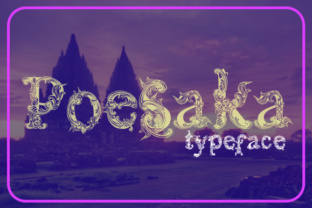
If you have ever searched for a typeface that carries a sense of history, warmth, and personality, you have likely encountered a growing challenge in modern design: finding a font that feels both original and emotionally resonant. Many contemporary typefaces lean toward minimalism, neutrality, or strict readability, which leaves little room for projects that demand character, nostalgia, or a handcrafted feel. Poesaka offers a distinctive answer to that need. As a vintage display font, Poesaka is designed specifically for expressive, decorative work—whether you are creating event invitations, packaging, branding materials, or editorial layouts that need to stand out with a story of their own.
Understanding what Poesaka is and how it fits into your toolkit begins with recognizing the gap it fills. Display fonts are not intended for long blocks of body text; they are crafted for headlines, short phrases, and visual impact. Poesaka takes that purpose further by layering in a vintage aesthetic that evokes old-world charm, hand-lettering traditions, and a sense of authenticity. For designers, small business owners, and creatives who want their projects to convey not just information but also emotion, Poesaka becomes more than a font—it becomes a design partner.
Who Benefits from a Vintage Display Font Like Poesaka
The primary audience for Poesaka includes graphic designers, brand strategists, event planners, and content creators who need typography that does more than just communicate words. If you are working on a project where the visual tone matters as much as the message, you are likely facing a common set of challenges.
- Standing out in a crowded visual landscape: Many brands and projects rely on safe, generic fonts. A vintage display option helps you break away from that norm.
- Creating emotional connection: Audiences respond to authenticity. Typefaces that feel handcrafted or historic can build trust and nostalgia faster than sterile, modern fonts.
- Matching a specific era or mood: Whether you are designing for a heritage brand, a rustic wedding, or a product launch with classic roots, Poesaka provides the visual cues that align with those themes.
- Achieving high impact with limited text: When your headline or logo is the centerpiece, you need a font that commands attention without relying on size alone.
Poesaka addresses each of these challenges directly. Its vintage character is not an afterthought—it is the foundation. The font’s ornate details, varied stroke weights, and slight imperfections mimic the look of printed ephemera from past decades, giving your work a tangible, grounded quality that many modern fonts lack.
How Poesaka Helps Solve Common Design Problems
One of the most practical ways Poesaka helps is by providing a ready-made atmosphere. Instead of spending hours trying to artificially age or distress a modern font, you can use Poesaka to instantly transport your audience to a different time. This saves time and ensures a more cohesive result.
For example, if you are designing a poster for a vintage-themed market or a label for a craft spirits brand, the font itself does a significant portion of the storytelling. You do not need to add layers of texture, wear, or decorative elements to force an antique look—Poesaka already carries those qualities in its letterforms. This streamlining of the design process means you can focus on layout, color, and composition rather than fighting with the typeface.
Another common need is versatility within a single project. Display fonts can sometimes be one-note, but Poesaka offers enough variety in its characters to be used across different applications within the same brand identity. You might use it for a main logo, then again for a subheading or a decorative initial cap, and it will maintain visual consistency without becoming repetitive. This is particularly valuable for small businesses or solo entrepreneurs who manage their own design work and need tools that work hard across multiple touchpoints.
Practical Applications and Real-World Outcomes
To understand how Poesaka performs in real projects, consider a few scenarios where its vintage display nature shines.
Event invitations and stationery: Wedding invitations, anniversary parties, and gallery openings often call for a formal or nostalgic tone. Poesaka can be paired with a simpler sans-serif font for body details, while the main names or event title appear in Poesaka to create immediate visual hierarchy. The result is a piece that feels curated and personal, not generic. Couples planning a rustic or bohemian wedding frequently report that typefaces like Poesaka help them communicate the intimate, handcrafted feel they want without needing elaborate illustrations or costly letterpress printing.
Branding and logo design: Small businesses in sectors like coffee roasting, artisanal baking, vintage clothing, or craft brewing benefit from a font that signals tradition and quality. A logo built with Poesaka suggests that the business values craftsmanship and history. For a coffee brand, for instance, using Poesaka for the name can evoke the look of old coffee sacks or vintage signage, instantly telling customers that this is not a mass-market product. The outcome is a brand identity that differentiates itself on shelves or social media feeds dominated by clean, modern logos.
Packaging and labels: On a product package, every design element competes for attention. Poesaka works exceptionally well on labels for candles, soaps, specialty foods, and beverages. Its decorative nature allows the product name to become a visual asset in its own right. Many small producers find that switching from a standard script or serif font to a vintage display option like Poesaka increases shelf appeal and customer engagement because the packaging tells a story before the customer even reads the ingredients list.
Editorial and print projects: Magazines, zines, and posters that embrace a retro or artistic direction use Poesaka for pull quotes, section headers, or cover lines. The font’s personality injects energy into layouts that might otherwise feel flat. Editors and art directors often note that a single headline set in Poesaka can set the entire mood for a spread, reducing the need for additional decorative elements.
How Different Users May Approach Poesaka
Not every user will interact with Poesaka in the same way, and recognizing this can help you apply it more effectively to your own work.
Professional graphic designers may treat Poesaka as a specialty tool, using it sparingly for high-impact moments within a broader typographic system. They might pair it with a neutral companion font to balance its decorative qualities. Designers also experiment with letter spacing and size to tweak the vintage feel—tightening the spacing can make it feel more formal, while loosening it adds a breathy, nostalgic quality.
Small business owners and entrepreneurs who handle their own design often look for a font that does multiple jobs. For them, Poesaka is a workhorse in the sense that it can be used for logos, social media graphics, flyers, and packaging without requiring extensive design skills. The key for this group is restraint: using Poesaka in moderation ensures it remains special and does not overwhelm every piece of communication.
Hobbyists and DIY creators working on personal projects—like custom gifts, family reunion materials, or home decor—will find Poesaka approachable because of its strong character. It forgives amateur layouts and adds a layer of polish that simple fonts often cannot match. For these users, the font transforms a basic Canva or Word document into something that looks intentionally designed.
Useful Considerations and Recommendations for Working with Poesaka
Getting the best results from Poesaka involves a few practical considerations that align with its vintage display nature.
Pairing with complementary fonts: Because Poesaka carries so much visual weight, it pairs best with simpler, more subdued typefaces. A clean sans-serif like Helvetica, Montserrat, or Lato works well for body copy or secondary information. Alternatively, a classic serif like Garamond or Times New Roman can reinforce the vintage mood while keeping the reading experience smooth. Avoid pairing Poesaka with another decorative font unless you are creating a very specific, maximalist aesthetic.
Size and spacing: Poesaka is designed for larger sizes—headlines, titles, and short statements. Using it at small sizes (below 18 points) may blur its details and reduce legibility. Give it room to breathe with generous letter spacing for a more formal look, or tighten it slightly for a denser, more traditional appearance. Always test your sizing on the final medium, whether digital or print.
Color and background: Vintage display fonts like Poesaka often look best on muted, warm, or textured backgrounds. Cream, off-white, kraft paper tones, and muted pastels allow the font’s details to stand out without competing with a bright background. For digital use, consider adding a subtle texture or grain behind the text to enhance the vintage feel. On social media graphics, dark backgrounds with gold or white lettering using Poesaka can create a high-end, classic look.
Licensing and usage rights: Before using Poesaka in commercial projects, verify the license terms. Many display fonts require a separate license for merchandise, branding, or high-volume print runs. Ensuring proper licensing protects your work and respects the font creator’s rights.
Focusing on Outcomes: What Poesaka Helps You Achieve
Ultimately, the value of Poesaka lies in the outcomes it enables. When you choose this font, you are not just picking a typeface—you are making a deliberate choice to communicate warmth, history, and care. For a wedding invitation, that means guests feel the personal touch before they even open the envelope. For a product label, it means shoppers pause and pick up the item because it looks like it comes from a place of tradition and quality. For a poster or social media graphic, it means the message lands with emotional weight rather than getting lost in visual noise.
Poesaka also helps you work more efficiently. Instead of layering effects, textures, or illustrations to create a vintage mood, you let the typeface do the heavy lifting. This saves time, reduces file complexity, and often results in a cleaner, more professional final product. For anyone who creates content regularly, that efficiency is a significant practical benefit.
Final Thoughts on Using Poesaka in Your Projects
The decision to use a vintage display font like Poesaka should always be driven by the needs of your project and your audience. If you are aiming for a clean, modern, or ultra-minimalist look, it is probably the wrong choice. But if your goal involves storytelling, nostalgia, artistry, or a handcrafted feel, Poesaka becomes an effective and efficient tool for achieving that outcome.
Take time to experiment with it in different contexts. Try it on a mockup of a product label, a wedding invitation, or a brand logo. See how it interacts with colors, textures, and other fonts. The more you work with Poesaka, the more you will discover its range—from formal elegance to playful vintage charm. By letting its personality shine in the right moments, you give your audience something they often miss in today’s fast-paced visual world: a reason to pause, notice, and remember.