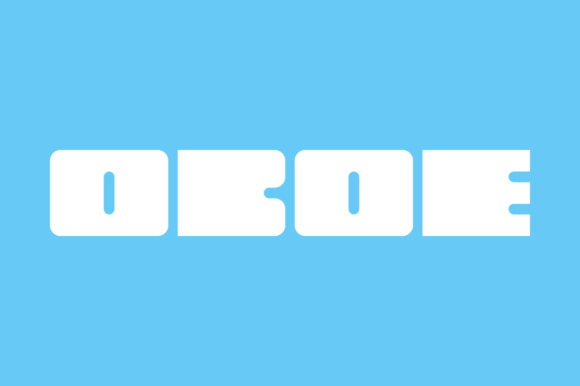
Oboe Family: A Geometric Rounded Display Typeface
When we look for a typeface that balances warmth with structure, we often find ourselves choosing between personality and legibility. The Oboe Family, designed by Pablo Balcells for Graviton Font Foundry in 2012, sidesteps that compromise entirely. It is a display typeface with a geometric rounded look, and it brings something refreshing to any project that calls for clarity with character. Whether you are building a brand identity, designing a poster, or experimenting with editorial layouts, Oboe offers a distinct visual voice that feels both contemporary and approachable.
What Makes Oboe Family Distinctive
At its core, Oboe Family belongs to the geometric sans-serif tradition, but its rounded terminals soften the typical rigidity of geometric forms. This combination produces a typeface that feels precise without being cold, friendly without being casual. Pablo Balcells crafted each glyph with an eye for consistency, so letters sit together naturally across words and sentences. The rounded edges create a gentle rhythm that draws the eye along a line of text, making it particularly effective for headlines, logos, and short-form content where first impressions matter.
Oboe consists of six styles in total, and two of those are available as free downloads. This structure gives designers flexibility: you can test the lighter weights or basic roman style without commitment, and then invest in the full family when your project demands more range. The free styles alone are enough to explore the typeface's personality and decide whether it fits your workflow.
Exploring the Six Styles
Having six styles means Oboe Family is not a one-note typeface. Each weight and variant serves a different purpose, and understanding those differences helps you apply them with intention.
- Light and Regular – These lighter weights work well for larger display sizes where you want the geometric rounded shapes to shine without overwhelming the layout. They are ideal for hero text, pull quotes, or headings that need to feel airy and modern.
- Medium and Bold – The middle weights introduce more presence. They maintain the rounded softness while gaining enough weight to stand out in posters, social media graphics, or product packaging. Medium is particularly useful for subheadings that need to support a bold headline without competing.
- Black – The heaviest weight in the Oboe Family commands attention. The rounded shapes become almost sculptural at this size, making it suitable for impact-driven designs like event banners, magazine covers, or logotypes where every letter carries visual weight.
- Italic – The italic style adds a dynamic slant that brings motion to static layouts. It works well for emphasis within a heading or for creating contrast when paired with a roman weight in the same composition.
The two free styles typically include a basic roman weight and a lighter variant, giving you a solid foundation to start working immediately. You can use those to prototype layouts, test spacing, and see how Oboe performs in your design environment before expanding to the full set.
Creative Applications Across Media
Because Oboe Family sits firmly in the display category, it excels where type needs to be seen and felt rather than simply read. Here are some practical ways different users can integrate it into their work.
Brand identity and logo design
Small business owners and entrepreneurs often need a logo that communicates approachability without sacrificing professionalism. Oboe's geometric rounded forms strike that balance naturally. A tech startup might use the Bold weight for a wordmark that feels friendly yet precise, while a creative studio could pair the Regular weight with a custom monogram. The typeface works especially well for brands in wellness, education, children's products, or creative services, where a human-centered aesthetic matters. Because the letterforms are clean, they also scale well from business cards to website headers without losing their character.
Editorial and publishing layouts
Bloggers, publishers, and content creators can use Oboe Family to give their articles a distinctive visual identity. Use the Light or Regular weight for article titles and section headings, paired with a neutral sans-serif for body text. The rounded shapes add a modern touch to digital magazines, newsletters, or Substack publications. For print, the heavier weights hold their own in large-format headlines, while the lighter styles work for captions or pull quotes that need to feel delicate. The key is to reserve Oboe for display moments so it remains a visual highlight rather than becoming background noise.
Social media and digital content
Marketers and social media managers can rely on Oboe Family to create consistent branded graphics across platforms. The geometric rounded look reads well on screens, even at smaller sizes, which is crucial for Instagram stories, LinkedIn banners, or YouTube thumbnails. Try using the Medium weight for quote cards, the Black weight for announcement posts, and the Italic weight for call-to-action text. Because the typeface has a friendly personality, it pairs naturally with illustration, photography, and bright color palettes. A clean background with Oboe in a bold color often produces enough visual interest without needing extra decorative elements.
Product packaging and labels
For entrepreneurs and small business owners creating physical products, Oboe Family brings a polished look to packaging. Its rounded geometric forms feel contemporary on skincare bottles, food packaging, or stationery boxes. The typeface works well for product names, ingredient lists, or brand slogans when set at display sizes. Because the letterforms are consistent, they print clearly on different materials, from paper labels to glass or plastic. Pairing Oboe with a simple color scheme and minimal layout keeps the focus on the product itself while adding a layer of professional design.
Practical Guidance for Designers and Creators
Using a display typeface like Oboe Family effectively requires a few considerations that go beyond simply picking a font. Here is how to keep your results clear, organized, and audience-friendly.
Pair it with a complementary body typeface
Because Oboe is a display typeface, it performs best when used selectively. Pair it with a clean, neutral sans-serif or a highly legible serif for body text. The contrast between Oboe's rounded geometric shapes and a more neutral text face creates visual hierarchy and keeps layouts from feeling monotonous. Good pairings include simple humanist sans-serifs or straightforward grotesques that do not compete with Oboe's personality.
Watch your spacing and sizing
Geometric rounded typefaces can feel tight if letter-spacing is too narrow, especially at larger sizes. Give Oboe room to breathe by adjusting tracking in your design software. A small increase in letter-spacing often improves legibility in headings and prevents letters from visually merging. Similarly, allow generous margin space around any text set in Oboe, particularly the heavier weights, so the rounded shapes have enough negative space to stand out.
Use color intentionally
The softness of Oboe's rounded forms responds well to color. Muted or pastel palettes enhance its friendly side, while bold, saturated colors make the geometric structure more pronounced. For brands or projects that need to feel energetic, try pairing a Black weight in a vivid hue with a neutral background. For more subdued applications, lighter weights in monochromatic schemes keep the focus on the letter shapes themselves.
Limit your weights per project
With six styles available, it is tempting to use many in one layout. However, for most projects, two or three weights are enough to establish hierarchy. Use one weight for primary headings, another for subheadings, and maybe a third for emphasis or accent text. Overusing the family can dilute its impact and make layouts feel busy. Consistency in weight usage also helps maintain a cohesive brand identity across different materials.
Adapting Oboe for Different Audiences and Platforms
Different audiences respond to typography in different ways, and Oboe Family can be adjusted to suit various contexts.
For professional and corporate audiences
When used in business presentations, reports, or corporate communications, stick to the Medium and Regular weights. These styles offer enough personality to make materials look designed, but they remain restrained enough for professional settings. Use Oboe for slide titles, section dividers, or data callouts, and pair it with a simple sans-serif for body copy. Avoid the Black weight in formal documents, as it can feel too assertive for that context.
For creative and youthful audiences
If your target audience includes creatives, students, or younger demographics, feel free to use the full range of weights. The Black weight works well for bold statements, while the Italic weight adds movement to dynamic layouts. Experiment with color combinations, overlapping text, or asymmetrical layouts. Oboe's rounded forms feel approachable to audiences who might find traditional serifs too formal or overly rigid sans-serifs too corporate.
For educational and instructional content
Educators, course creators, and instructional designers can use Oboe Family to make learning materials feel more engaging. Use the Regular weight for module titles, the Light weight for subheadings, and keep body text in a highly legible font. The rounded shapes add a friendly tone that reduces the intimidating feel of dense educational content. For children's materials or beginner-friendly guides, the typeface's warmth helps create a welcoming learning environment.
Keeping Your Typography Clear and Effective
No matter how beautiful a typeface is, clarity always comes first. Here are some practical guidelines to ensure Oboe Family serves your message rather than overshadowing it.
- Test at different sizes – Display typefaces behave differently at small scales. Always preview Oboe at the actual size it will appear in your final output. If a weight feels too dense or too light, adjust or switch to another style.
- Prioritize readability for longer text – Oboe is not designed for long body copy. If you have more than a sentence or two, reserve Oboe for headings and use a readable text face for paragraphs.
- Maintain contrast – Ensure enough contrast between text color and background. The rounded shapes can lose definition if the contrast is low, especially in lighter weights.
- Stay consistent across formats – If you use Oboe in a brand identity, apply it consistently across website, social media, print, and packaging. Consistency builds recognition and reinforces the visual personality you have chosen.
Final Thoughts on Working with Oboe Family
The Oboe Family by Pablo Balcells offers a thoughtful combination of geometric precision and rounded softness that feels both modern and inviting. With six styles to choose from and two available as free downloads, it gives designers and creators a practical toolkit for display typography that works across media, audiences, and formats. Whether you are building a brand, designing a publication, or creating content for social platforms, Oboe's consistent letterforms and approachable personality can help your work stand out without forcing extra decoration. By pairing it with complementary typefaces, adjusting spacing for clarity, and matching weights to your project's tone, you can make Oboe Family a reliable part of your creative repertoire for years to come.