Cintra Slab Family: Evaluating the Geometric Slab Serif for Your Projects
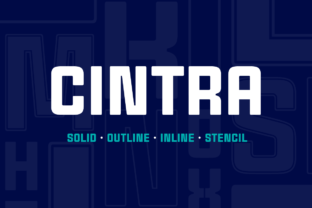
The Cintra Slab Family, designed by Pablo Balcells for Graviton Font Foundry in 2014, is a slab serif typeface that occupies a distinct space in the typographic landscape. With its geometric construction, bold stroke weight, and subtly rounded angles, it offers a visual tone that is both sturdy and approachable. Before selecting any typeface for a project, it helps to understand not just what it looks like, but how it performs, where it fits, and what tradeoffs come with its use. This article provides an objective evaluation of Cintra Slab Family to help you determine whether it aligns with your design goals, branding needs, or editorial requirements.
What Makes Cintra Slab Distinctive
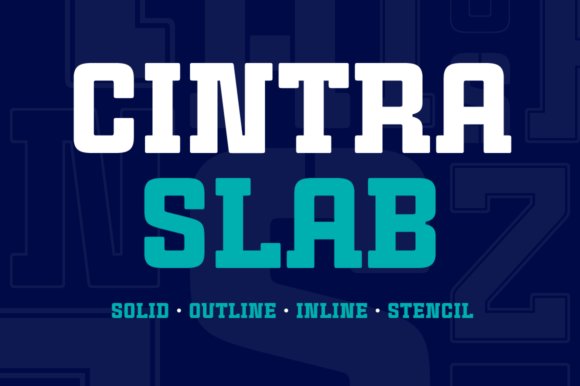
Cintra Slab is built on geometric proportions, meaning its letterforms are derived from simple shapes like circles and straight lines rather than from handwriting or calligraphic tradition. This gives the typeface a clean, ordered appearance that works well in modern and minimalist contexts. The slab serifs themselves are blocky and uniform, reinforcing a sense of stability and confidence. However, unlike many geometric slabs that can feel cold or rigid, Cintra Slab incorporates subtle rounded corners throughout the glyphs. This softens the overall impression without undermining the typeface's bold character.
The family consists of 8 styles, typically spanning a range of weights from light to extra bold, often with matching italics. This variety gives designers enough flexibility to build hierarchical typographic systems while maintaining a consistent visual voice. The rounded detailing is especially noticeable at larger sizes, where the softened terminals and joints contribute to a friendly, approachable feel. At smaller sizes, the geometric clarity helps preserve legibility, though the bold nature of the design performs best in display and heading applications.
Potential Benefits of Choosing Cintra Slab
One of the primary reasons to consider Cintra Slab Family is its ability to convey strength without aggression. The bold, geometric structure suggests authority and purpose, while the rounded angles introduce a human touch that makes the typeface feel inviting rather than intimidating. This balance is particularly valuable in branding, packaging, and digital interfaces where a brand wants to appear both professional and accessible.
Another benefit is its consistency across styles. Because the entire family follows the same geometric logic and rounding treatment, mixing weights within a layout feels natural. A designer can use the bold weight for headlines, a medium weight for subheadings, and a lighter weight for short body copy without visual dissonance. This kind of cohesive system saves time in layout work and helps maintain a unified brand identity.
The typeface also works well in large sizes. Its bold strokes and slab serifs hold up at poster scale or on hero sections of a website, where finer details might get lost. The rounded angles become a distinctive feature at these sizes, setting it apart from sharper geometric slabs. For projects that require a prominent typographic presence with a softened edge, Cintra Slab delivers without needing additional embellishment.
Tradeoffs and Considerations
While Cintra Slab Family offers clear advantages, it also comes with tradeoffs that may influence your decision. The most notable consideration is its suitability for extended body text. Because the typeface is inherently bold and geometric, reading long passages of text at small sizes can be tiring. The slab serifs and high stroke contrast reduce the whitespace inside letters, which can impact readability over several paragraphs. If your project involves lengthy articles, reports, or book-length content, you may find that Cintra Slab works better in short bursts rather than sustained reading.
The family includes 8 styles, which is a reasonable range for many design projects but not as extensive as some slab serif families that offer multiple condensed or extended widths. If your typographic system requires fine-grained control over spacing or a wider range of text variations, you might feel constrained by the available options. Similarly, the geometric design language may not suit every brand voice. While the rounded angles add warmth, the underlying structure is still highly constructed. Brands or publications that favor organic, hand-drawn, or humanist aesthetics may find Cintra Slab too rigid for their identity.
Another consideration is how the typeface pairs with other fonts. Cintra Slab has a strong personality, so it tends to dominate a layout. Pairing it with a neutral sans-serif or a simple serif can work, but choosing a secondary font that is too distinctive may create visual conflict. Designers building a typographic system around Cintra Slab should plan for complementary typefaces that support its character without competing for attention.
Where Cintra Slab Shines
Cintra Slab Family is a strong fit for projects where a brand or publication wants to communicate confidence and friendliness simultaneously. In editorial design, it can be used effectively for headlines, pull quotes, and section openers. Its bold presence draws the eye, while the rounded details prevent the design from feeling harsh. Magazines and websites focusing on lifestyle, technology, or creative content often benefit from this kind of approachable authority.
Packaging is another area where Cintra Slab performs well. Product labels, boxes, and tags that need to stand out on a shelf can leverage the typeface's boldness to capture attention, while the soft edges make the product feel more approachable. For food, beverage, or personal care brands, this balance between strength and warmth is often central to the brand personality.
Digital interfaces, especially those with limited text demands, also suit Cintra Slab. Headers, navigation elements, buttons, and call-to-action text benefit from the typeface's clarity and presence. Its rounded angles can soften the otherwise hard edges of screen design, contributing to a more pleasant user experience. As long as the text is kept to moderate lengths, the typeface remains legible and effective across screen sizes.
When Alternatives May Be Worth Considering
If your project relies heavily on long-form reading, you may want to look at slab serifs designed specifically for body text. Typefaces like Clarendon or Rockwell offer more refined stroke modulation and larger x-heights that improve readability at smaller sizes. Alternatively, a humanist slab serif provides a warmer, more calligraphic feel that may be more welcoming in extended reading contexts.
For projects that require a wider range of styles, such as multiple widths (condensed, normal, expanded) or more weight steps, families like Arvo, Roboto Slab, or PT Serif offer larger families with more flexibility. These families are also open-source or widely available, which can be a practical consideration for team-based projects or budget-sensitive work.
If your brand identity calls for a more refined or elegant slab serif, Cintra Slab's bold geometric nature might feel too assertive. In that case, a lighter slab with greater contrast or finer serifs could better match the intended tone. Similarly, if you need a slab serif that works seamlessly with an existing humanist sans-serif, you may find that the geometric logic of Cintra Slab creates friction rather than harmony.
Practical Decision-Making Insights
When evaluating Cintra Slab Family for your own work, start by considering the primary use case. If the typeface will be used mostly for headlines, subheadings, and short display text, it is likely a strong candidate. Test it at the sizes you plan to use, both on screen and in print, to see how the rounded angles and bold strokes behave. Pay attention to how the typeface sets in all caps, in mixed case, and in any language requirements your project has.
Next, consider how many styles you actually need. For many branding and editorial projects, the 8 styles in Cintra Slab provide enough range to build a clear hierarchy. Map out your typographic system: headings, subheadings, body copy, captions, and any specialty uses. If your list fits within the available weights and italics, the family may be sufficient. If you find yourself wishing for a narrower or wider option, or for a true light weight that recedes further into the background, you may need to supplement the family with another typeface for specific roles.
Pairing tests are also essential. Combine Cintra Slab with a neutral sans-serif such as Helvetica, Inter, or Open Sans in a layout to see how they interact. The sans-serif should provide contrast without clashing. If you plan to use Cintra Slab alone, ensure the design system has enough variety in other elements (color, spacing, imagery) to avoid monotony.
Finally, consider the brand voice. Cintra Slab communicates a specific combination of strength and softness that works well for modern, confident, and approachable identities. If your brand or project aligns with this duality, the typeface can be a powerful tool. If your voice leans toward tradition, elegance, playfulness, or minimal austerity, the fit may be less natural, and exploring other slab serifs or entirely different typeface categories may produce better results.
Ultimately, the decision comes down to how well the typeface's characteristics match the functional and emotional needs of your project. Testing Cintra Slab Family in real layouts, with real content, and in the actual environments where it will appear will give you the clearest evidence of whether it is the right choice. By understanding its strengths and limitations, you can make an informed selection that serves your audience and supports your design objectives.