Chadal Font: A Practical Guide for Designers & Creators
Every now and then a typeface comes along that feels both fresh and familiar — something that doesn't scream for attention but quietly elevates whatever you put it on. That's the impression Chadal by Gblack Id leaves. It's a display-friendly font with basic punctuation support, designed for those who value clean aesthetics without the fluff. Whether you're a marketer polishing a headline, a freelancer building a personal brand, or an educator preparing course materials, Chadal might be the tool you didn't know you needed.
What Makes Chadal Stand Out
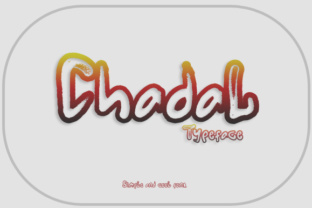
At its core, Chadal is a typeface that balances character with readability. It's not overly ornate, nor is it minimalist to the point of being forgettable. The letterforms carry a certain weight — not heavy, but considered. Each stroke feels intentional, with subtle curves that prevent the font from feeling rigid.
One of its most practical strengths is the inclusion of basic punctuation. You'd be surprised how many decorative fonts skip this, leaving you scrambling to manually insert commas, periods, or quotation marks. Chadal handles the essentials, which means you can use it for short-form content without worrying about broken typography. This makes it especially useful for headlines, pull quotes, social media graphics, and branding elements where punctuation matters.
The font works well at larger sizes — that's where its personality really shines. At display sizes, the details become apparent: the way certain characters open up, the gentle contrast between thick and thin strokes, and the overall rhythm of the glyphs. It's the kind of typeface that makes a title look complete without needing extra decoration.
Professional and Commercial Use
If you're a business owner or marketing professional, you know that brand recognition often hinges on visual consistency. Chadal can serve as your go-to display font for logos, packaging, signage, and promotional materials. Its confident letterforms project stability and approachability — two qualities that resonate well with adult audiences. Imagine a product label or a storefront sign using Chadal: it would stand out without feeling gimmicky.
For entrepreneurs building a brand from scratch, pairing Chadal with a clean sans-serif body font creates a hierarchy that's both modern and trustworthy. Use Chadal for your tagline or hero section headline, then let a simpler font handle the body copy. The contrast is effective and effortless.
Creative and Digital Environments
Designers and content creators will find Chadal particularly useful in social media visuals, YouTube thumbnails, blog headers, and website hero sections. Because it carries personality without being overly decorative, it scales well across different screen sizes. A headline set in Chadal on a landing page feels grounded, not loud.
For digital products like ebooks, online courses, or presentation decks, Chadal can bring a cohesive look to your titles and section headers. It's also a strong candidate for email newsletter headers — the kind of detail subscribers notice even if they can't articulate why the design feels polished.
Freelancers and hobbyists can use it for portfolio pieces, mood boards, or personal projects where they want a handcrafted feel without the messiness of a script font. Chadal offers that sweet spot between hand-drawn warmth and digital precision.
Educational and Publishing Contexts
Educators and publishers often need typefaces that are engaging but not distracting. Chadal fits this niche well for chapter titles, lesson headers, worksheets, and classroom posters. Its readability at larger sizes means students can quickly parse key information, while the aesthetic keeps materials looking current and cared for.
For bloggers and online publishers, using Chadal for post titles or quote callouts adds visual variety without breaking the reading flow. It signals a certain attention to detail — the kind that builds trust with readers over time.
Usability and Efficiency Benefits
One of the underrated advantages of Chadal is how efficiently it works in practice. Because it includes basic punctuation, you spend less time troubleshooting typography issues and more time focusing on content and layout. This might sound minor, but anyone who has had to manually adjust or substitute punctuation in a decorative font knows how much time it saves.
The font's design also contributes to visual hierarchy. When you set a headline in Chadal, it naturally draws the eye without needing bold, color, or ornamentation. That's a usability win for interface designers, web developers, and anyone building communication materials where clarity matters.
For teams collaborating on brand assets, having a single display font like Chadal that works across multiple applications — print, digital, social, environmental — simplifies decisions and reduces inconsistency. It's one less variable to argue about.
Practical Considerations When Using Chadal
Like any tool, Chadal works best when used with intention. Here are a few things to keep in mind as you evaluate it for your own projects:
- Size matters. Chadal performs best at medium to large sizes — think headlines, not body text. Using it below 18–20 points may lose some of the nuance that makes it special.
- Pair it wisely. Because Chadal has a distinct personality, pair it with a neutral, highly readable sans-serif or serif for body content. Avoid pairing it with another decorative font unless you're going for a very specific look.
- Test across mediums. What looks great on screen might behave differently in print. If you're using Chadal for physical materials — brochures, signage, packaging — run a test print first to see how the strokes and spacing hold up.
- Consider your audience. Chadal's aesthetic leans modern but approachable. It suits professional, creative, and educational contexts well, but might feel out of place in ultra-formal or highly traditional environments. Know your context before committing.
- Respect the punctuation. The basic punctuation included is functional and well-integrated, but if your project requires extensive special characters, mathematical symbols, or non-standard glyphs, you may need to supplement with another font.
Who Should Consider Chadal
Honestly, Chadal is for anyone who needs a display typeface that does more than just look good. It's for the freelancer who wants their pitch deck to feel intentional. It's for the marketer who needs a consistent headline font across campaigns. It's for the educator who wants materials that students actually enjoy looking at. And it's for the hobbyist experimenting with design who wants a font that makes their work look polished without a steep learning curve.
It's not the font you set your 10,000-word report in. But for the moments where typography needs to carry weight and personality — where a headline, a logo, or a title needs to land — Chadal holds its own.
Final Thoughts on Chadal by Gblack Id
Chadal isn't trying to reinvent typography. It's a well-crafted display font that does what a good display font should: it commands attention gracefully, works reliably across common use cases, and respects the details that matter — including basic punctuation. For designers, creators, and professionals who value both aesthetics and practicality, it's a solid addition to the toolkit.
Whether you're building a brand, designing a presentation, or simply exploring typefaces that can elevate your work, Chadal deserves a close look. Try it on a headline you care about, and see if it doesn't change the way that headline feels.