Anchor Italic: Where Russian Fairy Tales Meet Modern Design
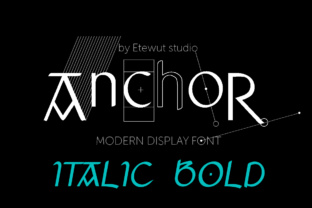
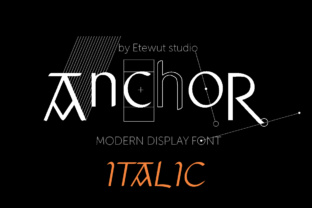
There is something quietly captivating about a font that carries a story before you even read a single word. Anchor Italic is one of those typefaces. It draws inspiration from Russian fairy tales and uses the expressive shapes of Cyrillic lettering to create a display font that feels both rooted in tradition and surprisingly versatile. Whether you are working on a book cover, a branding project, or a poster for a cultural event, Anchor Italic offers a chance to bring a little magic into your work without forcing the rest of your design to follow a strict theme.
The beauty of Anchor Italic lies in how it blends ornament with readability. It is a display font, which means it shines when used at larger sizes, but it also carries enough clarity to remain useful in shorter blocks of text. The Cyrillic-inspired forms give it a distinctive rhythm on the page, and the italic angle adds a sense of movement and storytelling that works especially well when you want your typography to feel alive. If you have ever struggled to find a font that feels both decorative and grounded, Anchor Italic may be exactly what you have been looking for.
Why a font inspired by fairy tales works in unexpected places
At first glance, a font rooted in Russian folklore might seem like a niche choice. But in practice, Anchor Italic fits into all kinds of projects that have nothing to do with fairy tales at all. The key is that the font does not scream "storybook" in a literal way. Instead, it carries the warmth, texture, and slightly whimsical character of hand-drawn lettering, which makes it feel personal and crafted. That quality is valuable across many contexts, from small business branding to editorial layouts.
For example, a café or bakery looking to create a cozy, handmade identity can use Anchor Italic for signage, menu headers, or packaging. The Cyrillic influences add a subtle Eastern European charm that feels authentic without being kitschy. Similarly, a wedding invitation designer might turn to Anchor Italic for its romantic, flowing shapes that still feel crisp and modern when paired with clean layouts. The font does not force you into a specific aesthetic; it adapts to the mood you are building around it.
Real-world scenarios where Anchor Italic makes sense
Let me walk through a few situations where I have seen fonts like Anchor Italic shine, and where this one in particular stands out. The first is book cover design, especially for fiction, poetry, or literary nonfiction. If you are designing a cover for a novel with a folkloric or historical setting, Anchor Italic instantly communicates depth and atmosphere. But it also works for contemporary stories when you want the typography to feel thoughtful and less commercial. The italic slant gives the title a forward motion that draws the eye, which is useful when competing for attention on a crowded shelf or a small thumbnail online.
Another scenario is poster design for cultural events. Theatre productions, film festivals, art exhibitions, and music performances often need typography that feels artistic without being illegible. Anchor Italic hits that balance well. Its decorative qualities allow the text to function as a visual element in itself, reducing the need for heavy illustration or photography. You can let the font carry the mood, especially when paired with a limited color palette or textured backgrounds.
Branding is another area where Anchor Italic can do a lot of the heavy lifting. Small businesses, freelancers, and creative studios often rely on typography to communicate personality without a large budget for custom illustration. Anchor Italic gives you a distinctive look that feels bespoke. A ceramicist, a tea company, or a slow-fashion brand could all use it to signal craftsmanship, care, and a touch of storytelling. The European language support also means you can work with clients or audiences across multiple countries without worrying about missing characters.
How different users get different value from Anchor Italic
Not everyone will use Anchor Italic the same way, and that is part of what makes it worth exploring. A graphic designer working on packaging might use it for product names and then pair it with a simple sans serif for ingredients or instructions. A hobbyist creating a personal blog or a newsletter might use it for headings to give their content a signature look. A social media manager might pull it out for quote graphics or seasonal posts where they want the typography to feel special rather than generic.
For print designers, Anchor Italic offers reliability at larger sizes. The letterforms are well balanced, and the Cyrillic-inspired strokes add texture that holds up well in print. You can use it on posters, booklets, magazine spreads, or even merchandise like tote bags and mugs. For digital designers, the font works in headings, hero text, and short callouts. Just keep in mind that display fonts generally need more space and less clutter around them to be effective, and Anchor Italic is no different. Give it room to breathe, and it will reward you with presence.
Practical examples to try with Anchor Italic
If you are thinking about where to start with Anchor Italic, here are a few practical ideas that might spark something:
- Book chapter titles in a literary journal or a self-published novel. The font sets a tone before the story even begins.
- Restaurant menu headers for categories like appetizers or desserts. It adds a homemade feel that matches farm-to-table or rustic concepts.
- Event invitations for a winter market, a folk concert, or an art opening. The fairy-tale influence feels seasonal and warm.
- Logo lettering for a small brand that wants to stand out from the usual sans-serif crowd. Just be mindful of scalability at very small sizes.
- Social media highlights or story titles where you want the text to feel curated and intentional, not like a template.
In each of these cases, Anchor Italic brings something that a standard serif or script font cannot: a sense of cultural texture and handcrafted care. It does not try to be invisible. It wants to be noticed, but in a way that feels inviting rather than loud.
What to consider before you commit to Anchor Italic
Like any display font, Anchor Italic has strengths that shine in certain contexts and limitations worth understanding before you build a whole project around it. The most important thing to know is that it works best at medium to large sizes. If you try to use it for long paragraphs or very small text, the intricate letterforms can become crowded and harder to read. That is not a flaw in the font; it is simply how display fonts behave. Plan to use Anchor Italic for headlines, titles, short phrases, and emphasis, and pair it with a simpler secondary font for body copy.
Another consideration is audience. While the Cyrillic-inspired shapes are beautiful, they may read as unfamiliar to viewers who are not used to seeing those letterforms. That can be an advantage if you want to create a sense of mystery or cultural depth, but it is something to keep in mind if your goal is instant legibility across a broad audience. Testing the font at different sizes and on different backgrounds will help you decide if it fits the specific people you are trying to reach.
European language support is a strong point here. If your project involves multiple languages with accented characters, Anchor Italic covers that ground reliably. That makes it a practical choice for international brands, event materials, or publications that serve multilingual audiences. It is one of those details that can save you time and frustration later, especially if you have ever tried to use a decorative font only to discover it is missing the characters you need.
Pairing Anchor Italic with other typefaces
One of the most enjoyable parts of working with a distinctive display font is finding the right companion typeface. Anchor Italic pairs naturally with clean sans serifs like Helvetica, Montserrat, or even a simple geometric font like Futura. The contrast between the ornamental italic and a neutral sans serif creates a hierarchy that guides the reader without feeling chaotic. For a warmer look, you could pair it with a classic serif like Garamond or a humanist sans like Source Sans Pro. The goal is to let Anchor Italic lead and let the secondary font support without competing.
If you are designing for print, also consider the texture of the paper or material. Anchor Italic looks stunning on uncoated, slightly textured stock where the details of the letterforms can catch the light. On glossy or coated paper, it still works, but the contrast may be less pronounced. A little experimentation with materials can go a long way toward making the font feel like it belongs in the physical world.
Why Anchor Italic deserves a place in your font library
Every designer and creative person builds a mental collection of fonts that reliably solve certain kinds of problems. Anchor Italic is the kind of font that earns that spot because it does something specific without being inflexible. It gives you access to a world of visual storytelling that is not tied to a single trend or style. Whether you are designing for a client who wants to evoke heritage and warmth, or you are working on a personal project that needs a touch of enchantment, this font delivers.
It is also worth noting that Anchor Italic does not demand that you build an entire design around folklore or Cyrillic themes. You can drop it into a minimalist layout and it will add just the right amount of character. You can pair it with modern photography and it will feel current rather than dated. That kind of versatility is rare in a display font, and it makes Anchor Italic a practical choice for anyone who wants their typography to work harder without looking like it is trying too hard.
If you are someone who cares about the emotional weight of type, who wants every project to feel considered and human, Anchor Italic is worth spending time with. Let it bring a little magic to your upcoming designs, but let that magic serve your message rather than overshadow it. The best fonts are the ones that help you say what you mean more clearly, and Anchor Italic does exactly that in a voice you will not find anywhere else.