Rough the Type: A Font That Fuses Horror With Purpose
What happens when a designer sets out to create a typeface that is both “scary” and “serious”? You get Rough the Type, the brainchild of Dusan “Dustin” Jelesijevic. This isn’t your typical display font. It blends wanna-be-horror grit with a punk-rock-out-of-beers energy, making it equally at home on a protest transparency, a band poster, or a nerdy manifesto. Whether you’re a small business owner looking to make a statement or a freelancer craving a tool that breaks the polished mold, Rough the Type offers a raw, unfiltered voice.
This article unpacks what Rough the Type is, why it matters for creators and communicators, and how you can use it effectively—without falling into gimmick territory. We’ll look at practical use cases, ideal audiences, and the one thing to keep in mind before you download it.
What Makes Rough the Type Different
Jelesijevic set out to create a font that “hurts” in the best way possible. The style is deliberately rough, uneven, and almost aggressive. It mimics the look of hand-lettered punk flyers and cheap horror movie titles, but with a serious design backbone. That duality—scary yet serious—is what gives Rough the Type its unique place in any type library.
Unlike fonts that are purely decorative or purely functional, this one invites rebellion. It doesn’t whisper; it yells. That can be a huge asset when you need your message to stand out in a crowded environment—whether that’s a protest march, a music venue, or a clever social media campaign.
The font supports West European characters, which means it’s versatile for English, French, German, Spanish, and other Latin-based languages. That makes it immediately useful for a broad audience without needing extra glyph workarounds.
Practical Benefits: Beyond the Punk Aesthetic
At first glance, Rough the Type looks like a niche choice. But its benefits extend far beyond the obvious “rebel-yeah” situations. Here are concrete ways this font can help you achieve better results in your projects.
1. Strengthen Your Visual Communication
Sometimes a clean, neutral font just doesn’t carry the emotional weight you need. When you want to signal urgency, discontent, or raw creativity, Rough the Type does the heavy lifting. Its irregular edges and heavy ink traps immediately convey a hand-made, almost distressed feel. That visual cue tells your audience: “This is not corporate. This is real.”
For example, a small business protesting a new policy might use Rough the Type on posters or transparencies. As Jelesijevic himself noted, “if you like to protest in public against Tour De Force font foundry, please write transparencies using this font, it will hurt us bad.” The font packs a rhetorical punch that sharpens your message without extra design work.
2. Support Creativity in Unexpected Places
Graphic designers, hobbyists, and educators all need tools that spark new ideas. Rough the Type works as a creative catalyst. Because it deviates from the norm, simply applying it to a layout can immediately change the tone of a project. It’s ideal for:
- Punk-rock band logos and merchandise
- Horror-themed event posters
- Zine covers and underground publications
- Nerdy coding project headers (if you want to “kick some schmucks in the brain” with style)
- Social media graphics for rebellious causes
Even if your project isn’t strictly punk, using Rough the Type as an accent font can give a fresh, disruptive twist to an otherwise conventional design.
3. Save Time with an Instant Attitude
Building a rebellious identity from scratch takes time—sketching, digitizing, refining. With Rough the Type, you get that instant attitude right out of the box. No need to distress a font manually or spend hours in Illustrator. One click, and your headline breathes danger and defiance.
This is especially valuable for marketers and content creators who need to produce assets quickly. A landing page for a limited-edition horror game could use Rough the Type for the main title and cut the design phase by hours.
Who Benefits Most from Rough the Type
While the font appeals to “minors and adults” with an interest in rebel aesthetics, its real power emerges when used by people who understand context. Here are the audiences that will get the most value.
Small Business Owners and Entrepreneurs
If your brand identity is built on challenging the status quo—a craft brewery, alternative clothing line, or indie bookstore—Rough the Type reinforces that message. It tells customers you’re not afraid to be a little raw. Use it on limited-edition packaging, event signage, or your website’s hero section. Just avoid overusing it; the font’s personality is strong, so a little goes a long way.
Freelance Designers and Creative Agencies
Adding Rough the Type to your type arsenal gives you a tool for clients who want an edge. When a music venue wants posters that look “real” and not stock, this font delivers. You can pair it with a clean sans-serif for readability, letting Rough the Type take the emotional lead.
Educators and Hobbyists
Teachers running a workshop on design history might use Rough the Type as an example of contemporary punk-inspired typography. Hobbyists designing personal projects—like a D&D campaign logo or a protest sign for a local cause—can achieve pro results without investing in expensive branding packages.
Publishers and Bloggers
Digital publications covering counterculture, horror, or social justice can use Rough the Type for pull quotes or section headers. It adds visual texture and keeps readers engaged. Just be careful: as a display font, it’s not suited for body text. Use it sparingly for impact.
Realistic Considerations Before You Use It
No typeface is perfect for every job, and Rough the Type comes with limitations that matter depending on your audience.
Readability at Small Sizes
Because of its rough, uneven strokes, Rough the Type can be hard to read below 24pt. Avoid using it for body copy, subheadings, or any text that needs to be scanned quickly. If you’re designing a form, a legal document, or a business report, choose a cleaner font. Rough the Type is for headlines and display use only.
Not for All Industries
If you work in finance, healthcare, or traditional corporate environments, this font will likely clash with your brand guidelines. Using it could confuse or alienate your audience. It’s best reserved for contexts where rebellion, horror, or underground culture is part of the narrative.
Fit with West European Character Needs
While the font supports West European characters, it may lack extended Latin or Cyrillic sets. If your project requires Polish or Czech diacritics, test the font first. Jelesijevic designed it with “nerdy” users in mind—people who love typography and enjoy kicking against convention. But always preview the character coverage before finalizing.
How to Use Rough the Type Effectively
- Pair it with a neutral complement. Use a simple, clean sans-serif (like Helvetica or Open Sans) for body text. Let Rough the Type handle the emotional heavy lifting in titles.
- Keep letter spacing generous. Because the letters have rough edges, tight tracking can make them run together. Add 2-3 points of tracking for clarity.
- Use color to enhance the mood. Black, dark red, or neon green work well with the font’s horror/punk vibe. Avoid pastels that dilute the effect.
- Test before printing large formats. The rough edges may have tiny thin areas that could drop out in large-scale vinyl or transparency production. Do a test print first.
Final Thoughts: When the Message Matters More Than Polish
Rough the Type is more than a typeface—it’s a statement. It says you’re willing to be a little messy, a little loud, and a little dangerous. For rebels, nerds, creators, and anyone tired of squeaky-clean design, this font offers a way to stand out instantly.
Dusan “Dustin” Jelesijevic achieved his goal: a font that is scary and serious, that “hurts” in the right way, and that invites all ages to use it for miscellaneous rebel-yeah situations. Just remember the warning: don’t hack the site with a message written in Rough the Type. Use it ethically, but with edge.
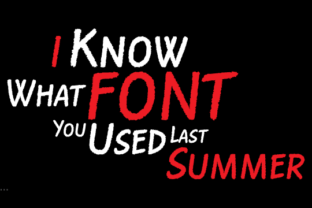
And as Jelesijevic would say: “I know what font you used last summer.” Choose yours wisely.