Roemah Hunian: A Strategic Choice for Thoughtful Design Communication
Every decision you make about typography sends a signal. Whether you are building a brand, designing a presentation, or shaping the visual identity of a product, the fonts you choose carry meaning beyond the words they form. Roemah Hunian, a typeface by Gblack Id, offers something worth examining not just for its aesthetic qualities, but for what it can do when applied with intention. Understanding what this font is, where it fits, and how to use it strategically can help you communicate more clearly, position your work more effectively, and avoid the common pitfalls that come from choosing type without context.
What Roemah Hunian Brings to Your Visual Toolkit
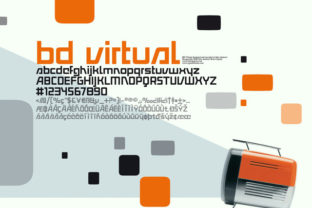
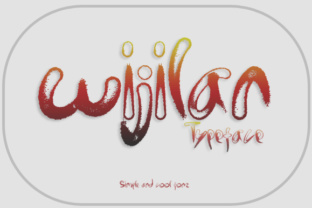
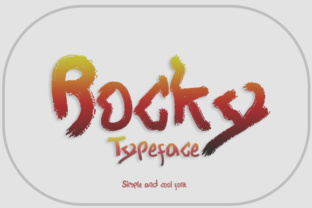
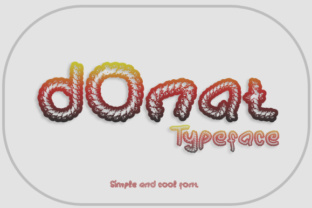
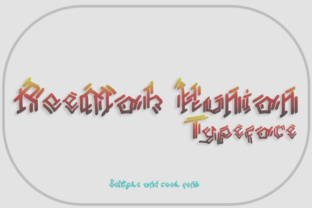
Roemah Hunian is a display-oriented typeface that carries a distinct handcrafted character. It is not a neutral workhorse font designed for body text or lengthy paragraphs. Instead, it belongs to a category of typefaces that are meant to be seen, noticed, and remembered. The design by Gblack Id incorporates uneven strokes, organic shapes, and a sense of warmth that feels personal rather than mechanical. This makes it strategically useful in situations where you want to convey approachability, authenticity, or a human touch.
The font includes basic punctuation, which means it can handle short phrases, headlines, callouts, and labels without requiring extensive additional customization. For entrepreneurs, small business owners, and creators who need to produce consistent visual materials, this practical completeness removes a barrier. You do not need to hunt for missing characters or settle for mismatched alternatives. Roemah Hunian functions as a self-contained tool for specific communication tasks.
Why Typography Strategy Matters for Your Goals
Typography is not decoration. It is infrastructure. The way your audience perceives your message depends heavily on how that message is presented. A font like Roemah Hunian can support your goals by shaping emotional response, controlling visual hierarchy, and reinforcing brand personality. If your goal is to build trust, a font that feels generic or overly polished may work against you. Roemah Hunian, with its imperfect and crafted appearance, signals that you have taken care in your presentation without resorting to sterile corporate design.
For marketers and publishers, this distinction matters. When you place Roemah Hunian on a landing page, a product label, or a social media graphic, you are telling your audience that you value individuality. That can be a powerful differentiator in crowded markets where most competitors rely on the same few available typefaces. The strategic advantage here is subtle but real: you stand out not through loud claims, but through visual decisions that feel deliberate.
When Roemah Hunian Supports Your Communication
Knowing when to use Roemah Hunian is just as important as knowing why. This font performs best at larger sizes and in contexts where the text is meant to capture attention first and deliver detail second. Headlines, banners, posters, social media titles, and branding marks are natural homes for this typeface. It works well in print materials like business cards, flyers, and packaging where you have limited space and need to make an impression quickly.
Digital contexts also benefit from Roemah Hunian when used sparingly. A hero section on a website, a call-to-action button, or a quote highlight can all carry this font effectively. However, readability declines at smaller sizes, especially on screens. If you are designing body copy, captions, or navigation text, Roemah Hunian is likely the wrong choice. Understanding this limitation helps you avoid common mistakes that undermine readability and user experience.
Practical Planning Tips for Using Roemah Hunian
- Pair it with a neutral counterpart. Roemah Hunian works best when it is the accent, not the entire meal. Choose a clean sans-serif or a simple serif for body text, and reserve Roemah Hunian for headlines and emphasis. This creates contrast and guides the reader through your content naturally.
- Test at multiple sizes. Before committing to Roemah Hunian in a project, preview it at the sizes you actually plan to use. What looks charming at 48 points may become illegible at 14 points. Adjust your layout to ensure the font serves its purpose without straining the viewer.
- Limit your palette. Using too many typefaces dilutes the impact of each one. Roemah Hunian should be one of two, or at most three, fonts in a given project. This restraint strengthens your visual hierarchy and makes your design feel intentional rather than chaotic.
- Consider your audience. If your audience skews older or includes people with visual impairments, the organic irregularities of Roemah Hunian may reduce legibility. Always weigh aesthetic preference against accessibility requirements.
How Roemah Hunian Can Support Creativity and Productivity
Creative work benefits from constraints that guide decision-making. By choosing Roemah Hunian early in a project, you set a directional tone that simplifies later choices. Instead of endlessly comparing font options, you commit to a personality and build around it. This saves time and mental energy, allowing you to focus on content, layout, and messaging rather than typographic indecision.
For freelancers and solo professionals, this efficiency is valuable. When you work alone, every hour counts. A clear typography strategy that includes a font like Roemah Hunian helps you produce consistent work across multiple projects without reinventing the wheel each time. You develop a recognizable visual signature that clients and audiences come to associate with your name. Over time, this builds brand equity and reduces the effort needed to establish trust with new customers.
Branding and Positioning with Roemah Hunian
Branding is about creating associations. Every element of your visual identity contributes to the story your audience tells themselves about you. Roemah Hunian, with its hand-drawn feel, suggests craftsmanship, care, and individuality. If your brand revolves around handmade products, personal coaching, creative services, or community-focused initiatives, this font reinforces that message without requiring additional explanation.
Positioning, on the other hand, is about differentiation. In a landscape where many brands chase polish and perfection, choosing a typeface that embraces imperfection can be a deliberate strategic move. It signals that you are not trying to be everything to everyone. You are comfortable with character. This can attract the right customers while naturally filtering out those who prefer a more conventional approach. For small business owners and entrepreneurs, targeted positioning is often more effective than broad appeal.
What to Consider Before Relying on Roemah Hunian
No font is universally useful, and Roemah Hunian has clear limitations that you should evaluate against your specific needs. Because it is a display typeface with distinctive features, it may not suit formal, conservative, or highly regulated industries. If your work involves legal documents, financial services, healthcare communications, or academic publishing, this font may undermine the seriousness you need to convey. Context matters, and choosing Roemah Hunian in the wrong setting can erode credibility rather than build it.
Another consideration is longevity. Trends in typography shift, and a font that feels fresh today may feel dated in a few years. Roemah Hunian draws on handcrafted and vernacular design traditions, which tend to have longer cultural staying power than hyper-trendy styles, but you should still think about how your brand will evolve. If you build a visual identity entirely around one distinctive font, you may face costly redesigns later. A more modular approach—where Roemah Hunian plays a supporting but replaceable role—gives you flexibility.
Risks of Using Roemah Hunian Without Clear Goals
The most common mistake professionals make with distinctive typefaces is using them without understanding why. If you pick Roemah Hunian simply because it looks interesting, you risk creating visual noise rather than visual clarity. Your audience may perceive the design as chaotic, amateurish, or attention-seeking without substance. This is especially dangerous for businesses trying to establish credibility. A font that draws too much attention to itself can distract from the message you are trying to deliver.
Another risk is inconsistency. If you use Roemah Hunian in some materials but not others, or if you apply it differently across platforms, your brand identity becomes fragmented. Customers notice inconsistency, even if they do not articulate it. Over time, this erodes trust and makes your brand feel less reliable. The solution is to define clear usage rules for Roemah Hunian before you start designing, and then stick to those rules across all touchpoints.
Using Roemah Hunian Intentionally Rather Than Randomly
Intention is the difference between a design that works and one that falls flat. Before you place Roemah Hunian in any project, ask yourself what specific job you want it to do. Are you trying to evoke warmth? Signal handcrafted quality? Differentiate from competitors? Create visual contrast? Each of these goals suggests a different application of the font. By clarifying your objective first, you ensure that your typography serves your strategy rather than working against it.
One practical approach is to create a simple typography guide for yourself or your team. Document where Roemah Hunian will be used, what sizes it will appear at, what it will be paired with, and what alternatives exist if the context changes. This guide does not need to be elaborate. Even a single page of notes can prevent the drift that happens when multiple people make typography decisions independently over time.
Long-Term Value of a Thoughtful Typography Decision
Fonts are investments. The time you spend selecting, testing, and refining your typography pays dividends every time someone encounters your work. Roemah Hunian, when chosen with clear intent and applied consistently, can become a recognizable element of your visual identity that communicates your values without words. That kind of efficiency is rare and valuable. It reduces the cognitive load on your audience and allows them to focus on what you actually offer.
For educators, bloggers, and content creators, this means your materials become more memorable. For entrepreneurs and small business owners, it means every piece of marketing works harder. For marketers and decision-makers, it means you can allocate resources more effectively because your visual foundation is stable. The strategic use of a font like Roemah Hunian is not about decoration. It is about making better decisions that support your long-term goals.
Final Thoughts on Making Roemah Hunian Work for You
The value of Roemah Hunian lies not in the font itself, but in how you use it. Like any tool, it has strengths and weaknesses. Your job is to understand both and apply the font where it can perform best. Start with your goals, not with the font. Define what you want to communicate, to whom, and in what context. Then evaluate whether Roemah Hunian helps you achieve that outcome. If it does, use it deliberately. If it does not, keep searching until you find the typeface that fits your purpose.
Typography is one of the most visible expressions of your strategic thinking. Every headline, every label, every call-to-action reflects choices you have made. By treating Roemah Hunian as a strategic resource rather than a stylistic afterthought, you elevate your communication and give your audience a clearer, more compelling reason to pay attention. That is the kind of result that lasts.